


















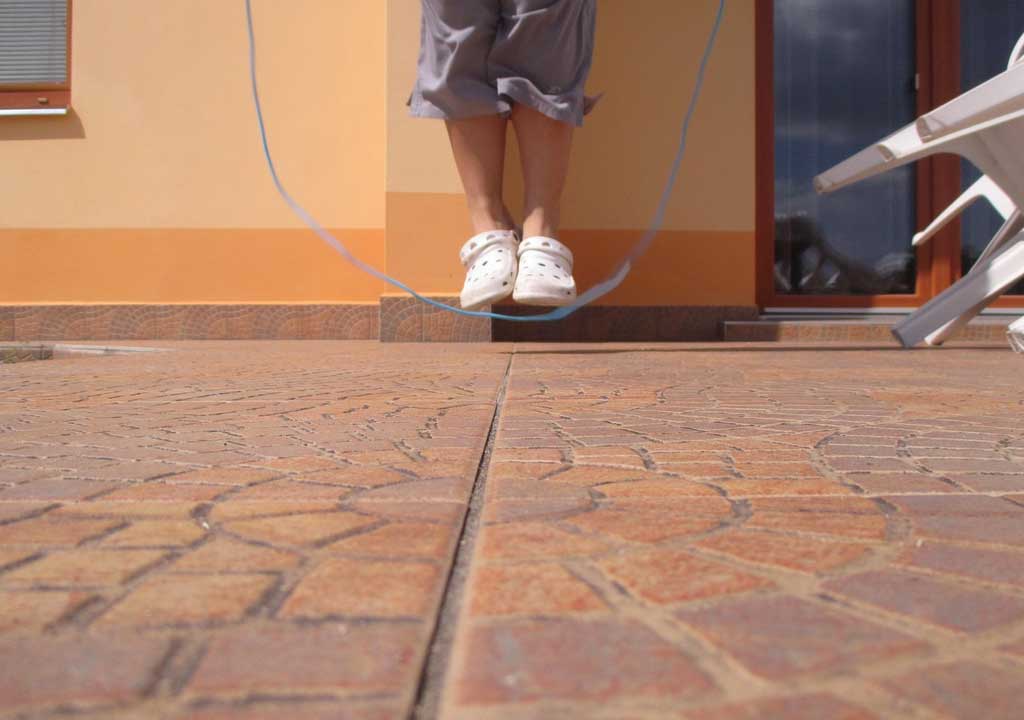


Jump Rope Circuit Challenges: Push-Pull-Core Routines

Jump Rope Circuit Challenges: Push-Pull-Core Routines
Jump rope workouts are often celebrated for their cardio punch, coordination benefits, and portability. But when you weave in circuit-style push-pull-core routines, you unlock a trifecta of fitness gains: upper-body pushing strength, pulling power, and a resilient midsection that stabilizes every leap, twist, and landing. The result is a dynamic, time-efficient training format that blasts calories, builds muscle, and improves athletic functional fitness. This guide lays out practical, coach-tested ways to structure Push-Pull-Core jump rope circuits, with ready-to-run workouts you can do at home or in the gym. You’ll learn how to balance intensity and volume, choose the right exercises, and scale the routines to your level.
What makes Push-Pull-Core jump rope circuits special?
Traditional jump rope sessions often focus almost exclusively on skill, rhythm, and cardio endurance. While those are valuable, they don’t automatically deliver structured strength improvements. The Push-Pull-Core model integrates three movement families that synergize with rope work:
- Pushing movements target chest, shoulders, and triceps, helping you press through fatigue and maintain posture during long sets of rope work.
- Pulling movements strengthen the back, biceps, and rear delts, supporting upper-body resilience, grip strength, and scapular health as you manipulate the rope or perform accessory pulls between bouts of jumping.
- Core-focused work builds bracing, hip hinge control, and rotation stability, which translates into better jump mechanics, reduced lower-back strain, and improved power transfer for faster rope cycles.
When you combine short, sharp bouts of rope jumping with push, pull, and core work, you create a balanced, functional routine. Expect improved jump rope efficiency, stronger upper body muscles, and a more stable midsection. The circuits also offer variety—changing rope tempo, switch-ups in push/pull exercises, and core challenges keeps boredom at bay and progress on track.
How to structure a Push-Pull-Core Jump Rope Circuit
There isn’t a single “one-size-fits-all” template here. The best approach is a repeatable structure you can customize based on your goals, equipment, and time. A simple, effective framework looks like this:
- Warm-up (5–8 minutes) — light rope skipping, dynamic upper-body movements, hip priming, and mobility drills.
- Push Round (8–10 minutes) — a sequence of rope bouts followed by push-focused exercises.
- Pull Round (8–10 minutes) — rope bouts interspersed with pulling movements.
- Core Round (6–8 minutes) — ab and trunk stability work to cap the circuit.
- Demonstrable Finish (2–4 minutes) — a short, all-out push or a finisher that tests your cardio and grip.
- Cool-down (5 minutes) — gradual rope idle, mobility, and breathing work.
There are several ways to structure the rounds, depending on your preference and equipment:
- EMOM (Every Minute on the Minute) — for a fixed duration (e.g., 20 minutes). Each minute, perform a rope interval and a push/pull/core work; finish the minute with rest.
- AMRAP (As Many Rounds As Possible) — aim for a target number of rounds within a time window (e.g., 15–20 minutes). Keeps a steady, escalating pace.
- Tabata-Style — 20 seconds on, 10 seconds off for a set of 8 cycles per station, then rotate. Great for sprint-capacity and mental grit.
Keep rest periods tight to sustain an elevated heart rate, but don’t sacrifice form. If you’re new, start with longer rests and shorter rope bouts, then progressively shorten the breaks as you gain confidence and conditioning. It’s better to move with precision at 70–80% effort than to sprint sloppily and break down.
Equipment and setup
Most Push-Pull-Core jump rope circuits don’t require fancy gear. Here’s what helps:
with adjustable length. A standard speed rope is fine for most intervals; a beaded rope can be helpful for beginners to feel the rhythm. - Optional resistance bands for rows and face pulls, or a pair of light dumbbells (< 15 lb) for light presses and rows if you don’t have a pull-up bar.
- Pull-up bar or suspension trainer for pull variations if you can access them.
- Mat or padded surface for floor-based core work and to protect joints during planks and sit-ups.
You can run these workouts in a gym with more station options, or at home with a single rope and a set of bands. The key is consistency and intelligent progression rather than chase after heavy gear.
Push Round: building pressing power between rope cycles
The Push Round focuses on movements that facilitate pushing strength and stability, supporting shoulders and chest as you drive the rope with powerful arm action and upright posture. You’ll pair rope bouts with pushups, dips, and shoulder-accessory work. Here are some practical sequences:
- Rope: Basic bounce or alternating footwork — 60 seconds. Maintain relaxed shoulders, small knee bend, and a light continuous rhythm.
- Push Circuit — 30–40 seconds each, 15–20 seconds rest between moves:
- Standard push-ups or incline push-ups if needed
- Piked push-ups to emphasize upper chest and shoulders
- Overhead press with dumbbells or resistance bands
- Tricep dips on a bench or chair
- Rope: Quick set — 30 seconds of fast rope skipping (light-to-moderate pace) to spike heart rate between push rounds.
- Core reset — 20 seconds of hollow body hold or isometric chest-to-wall slide to reinforce stability before the next rope burst.
Tips for Push Round:
- Keep your ribcage down and core braced to prevent lower-back stress during push-ups.
- Progress push variations by elevating hands or adding tempo (two-rep cadence: 2 seconds down, 1 second hold, 1 second up).
- Use the rope as active rest between sets—this keeps your heart rate up without grinding to a halt.
Sample Push Round (8–10 minutes total):
Rope 60 seconds; Push-up variations 30–40 seconds; Rope 30 seconds; Overhead press 30 seconds; Rope 30 seconds; Dips 30 seconds; Rope 30 seconds; Rest 60 seconds. Repeat 2–3 rounds as needed.
Pull Round: back strength and pulling power for rope control
The Pull Round strengthens the lats, traps, and posterior chain, which helps you pull the rope into your body with better control and reduces shoulder strain during fast rope cycles. It also improves grip endurance. Here are effective pull-focused sequences:
- Rope interval — 60 seconds of controlled, moderate-speed rope skipping, focusing on landing softly and maintaining scapular retraction.
- Pull Circuit — 25–40 seconds each:
- Inverted rows or bent-over dumbbell rows
- Resistance-band face pulls or band pull-aparts
- Single-arm dumbbell rows (alternating)
- Pull-ups or assisted pull-ups
- Rope: Recovery bounce — 30 seconds of lighter rope work to recover between pulls.
- Core connection — 20 seconds of standing torso twists with a light resistance band to link pulling with trunk rotation.
Pull Round tips:
- Focus on pulling from the elbows and squeezing the shoulder blades together at the top of each rep for maximum back engagement.
- Maintain a neutral spine; don’t let your hips sway or your chest collapse during rows and pull-ups.
- Integrate breathing: exhale on the effort of pulling, inhale on the return to start.
Sample Pull Round (8–10 minutes):
Rope 60 seconds; Inverted row 30–40 seconds; Rope 30 seconds; Band face pulls 30 seconds; Rope 30 seconds; Dumbbell row 30–40 seconds; Rope 30 seconds; Rest 60 seconds. Repeat 2–3 rounds.
Core Round: anti-rotational stability, bracing, and hip control
The Core Round stabilizes your torso and hips, enabling you to maintain efficient rope mechanics and transfer force through the body. Core work also reduces the likelihood of energy leaks during rope cycles. Try a mix of static holds and dynamic core moves:
- Rope cadence — 45–60 seconds of continuous rope skipping with a maintained posture (slightly tapping toes, light bounce).
- Core Circuit — 25–40 seconds each:
- Plank variations (forearm, side planks)
- Hollow hold or hollow-body rocks
- Dead bug or dead bug with overhead reach
- Russian twists with a light weight or no weight
- Rope: Light drill — 30 seconds of relaxed rope work to reset timing and breathing.
- Mobility reset — 20 seconds of thoracic rotation and hip opener stretches to close the round.
Core Round tips:
- Aim for a brace that feels like you’re “pulling your ribs down” toward your hips. This keeps your spine safe and your moves efficient.
- Keep shoulder blades relaxed but not slack; tension in the lats and obliques should do the work to hold your posture.
- Progress core work by adding tempo or a small load (light dumbbell hold during planks or side planks with a leg lift).
Sample Core Round (6–8 minutes):
Rope 60 seconds; Plank hold 30–40 seconds; Rope 30 seconds; Side plank 30 seconds each side; Rope 30 seconds; Dead bug 40 seconds; Rope 30 seconds; Russian twists 30 seconds. Repeat 2 rounds.
Full circuit examples you can try
Below are two complete, ready-to-run circuits. One is a 30-minute EMOM style for steady progress; the other is a shorter 20-minute AMRAP option for busy days. Both integrate push-pull-core in sequence with jump rope work for a balanced workout that hits strength, endurance, and core stability.
Example 1: 30-Minute Push-Pull-Core Circuit (EMOM)
Format: 20 rounds total, 60 seconds per station. Each minute, complete the rope interval and the prescribed strength/core move; you’ve got the remaining time to rest for the next round. If you finish early, you can rest the remainder of the minute or add one extra set to the next station.
Minute 1–2: Rope 60 seconds; Push-Up 30 seconds; Rest 0–30 seconds
Minute 3–4: Rope 60 seconds; Dumbbell Row 30 seconds; Rest 0–30 seconds
Minute 5–6: Rope 60 seconds; Plank 30 seconds; Rest 0–30 seconds
Minute 7–8: Rope 60 seconds; Incline Press 30 seconds; Rest 0–30 seconds
Minute 9–10: Rope 60 seconds; Band Pull-Aparts 30 seconds; Rest 0–30 seconds
Minute 11–12: Rope 60 seconds; Renegade Row 30 seconds; Rest 0–30 seconds
Minute 13–14: Rope 60 seconds; Side Plank (each side) 30 seconds; Rest 0–30 seconds
Minute 15–16: Rope 60 seconds; Dips 30 seconds; Rest 0–30 seconds
Minute 17–18: Rope 60 seconds; Upright Row or Shoulder Tap Push-Up 30 seconds; Rest 0–30 seconds
Minute 19–20: Rope 60 seconds; Hollow Hold 30 seconds; Rest 0–30 seconds
Minute 21–22: Rope 60 seconds; Bent-Over Dumbbell Row 30 seconds; Rest 0–30 seconds
Minute 23–24: Rope 60 seconds; Push-Up with Shoulder Tap 30 seconds; Rest 0–30 seconds
Minute 25–26: Rope 60 seconds; Band Face Pull 30 seconds; Rest 0–30 seconds
Minute 27–28: Rope 60 seconds; Mountain Climbers (core) 30 seconds; Rest 0–30 seconds
Minute 29–30: Rope 60 seconds; Sit-Out or Pallof Press 30 seconds; Rest 0–30 seconds
Notes:
- Modify exercises to fit your level. Use incline push-ups if standard push-ups are too tough, or substitute bent-over rows if you don’t have a pull-up bar.
- Aim to keep rope speed consistent; the push/pull/core stations are where you apply true strength and control rather than just cardio.
- Focus on form and breathing to avoid fatigue from compromising technique.
Example 2: 20-Minute Express Circuit (AMRAP)
Format: 20 minutes, as many rounds as possible of the following sequence. Stop and reset if form deteriorates; otherwise push the pace and accumulate rounds.
Rope 60 seconds; Push-Up 30 seconds; Rope 60 seconds; Dumbbell Row 30 seconds; Rope 60 seconds; Plank 45 seconds; Rope 60 seconds; Band Pull-Aparts 30 seconds; Rope 60 seconds; Russian Twist 45 seconds.
Notes:
- This shorter version works well for a lunch break or busy days when you still want a potent training stimulus.
- Keep transitions quick; use rope rest periods to catch your breath and reset posture.
Scaling for different levels
Whether you’re a beginner or an advanced athlete, you can tailor Push-Pull-Core jump rope circuits by adjusting three levers: rope tempo, exercise difficulty, and rest intervals. Here are practical scaling ideas:
Progression tips:
- Increase rope speed gradually as technique stabilizes.
- Introduce more challenging core moves (e.g., windmills, windshield wipers) as you gain core control.
- Move toward full-range pull-ups or higher-resistance rows to stimulate the pulling muscles more.
Movement library: rope moves and bodyweight options
Understanding the toolbox helps you design circuits that fit your goals and space. Here are core movements to mix and match:
Jump rope moves (foundation)
- Basic bounce
- Alternate footstep (seeded jog)
- Side-to-side shuffle
- Crossovers (right over left, left over right) — master before adding intensity
- Single-leg hops (for advanced balance, short intervals)
- Double-unders (advanced)
Push moves
- Standard push-ups
- Incline push-ups
- Decline push-ups
- Shoulder taps in a push-up position
- Overhead press (dumbbells or bands)
- Dips (bench or parallel bars)
Pull moves
- Bent-over dumbbell rows
- Inverted rows (under a bar or table)
- One-arm dumbbell rows
- Band pull-aparts or face pulls
- Pull-ups or assisted pull-ups
Core moves
- Planks (front and side variations)
- Hollow holds and hollow rocks
- Dead bugs
- Russian twists
- Bird-dog variations
Safety and recovery
As with any effective training, safety and recovery are essential. Jump rope and resistance training can be tough on joints if you push too hard too soon. Here are safety tips to protect yourself and maximize gains:
- Warm up thoroughly: 5–8 minutes of light rope work plus dynamic shoulder and hip mobility before you load up the push/pull/core rounds.
- Progress gradually: increase volume by 10–20% per week or add a single extra round rather than doubling volume overnight.
- Protect your shoulders: keep hands (and arms) relaxed during rope work; squeeze through the chest to take pressure off the shoulder joints.
- Maintain proper bracing: engage your core during every movement to support the spine and prevent hyperextension.
- Prioritize form over intensity: if you notice loss of technique, dial back the load or tempo until you can execute cleanly.
- Cool down and stretch: focus on the chest, lats, shoulders, hips, and hamstrings to restore range of motion and reduce soreness.
Sample weekly plan integrating Push-Pull-Core jump rope circuits
Here are two example weekly templates. Pick one that fits your schedule and gradually adapt the volume and intensity as you progress.
(3 workouts/week): Push-Pull-Core Jump Rope Circuit on Monday, Wednesday, Friday; light mobility on off days; optional 20–30 minute easy jog or walk on weekends. (4 workouts/week): Push-Pull-Core on Mon/Wed/Fri; short skill session on Tue or Thu (e.g., technique work with rope + light mobility); Saturday or Sunday active recovery (yoga or walking).
Sample Week (Option A):
Mon: 30–40 minute Push-Pull-Core circuit + 10 minutes cool-down
Wed: 20–25 minute express circuit (AMRAP) + mobility
Fri: 30–40 minute circuit with heavier loads or higher rope speed
Off days: 20–30 minutes of easy mobility, light walking, or a relaxed rope sesh focusing on technique rather than intensity.
FAQ: common questions about Jump Rope Push-Pull-Core circuits
Q: Do I need to be good at jump rope to start these circuits?
A: Not necessarily. Start with basic rope movements and progress gradually as you build coordination and confidence. The push/pull/core rounds are designed to be adjustable around your rope skill level.
Q: How long should a workout last?
A: Most circuits run between 20–40 minutes depending on your level and the structure you choose (AMRAP, EMOM, or Tabata). Start shorter and build up to longer sessions as your conditioning improves.
Q: Can I do these circuits without any upper-body equipment?
A: Yes. You can substitute bodyweight variations for pressing and pulling moves (e.g., push-ups, inverted rows under a sturdy table). If you have bands, they’ll add variety and resistance without needing a full gym setup.
Q: Is this a good program for fat loss?
A: Yes. The combination of cardio from jump rope and resistance work elevates your metabolic demand, which is conducive to fat loss when paired with a sensible diet and adequate recovery.
Q: How do I know if I’m progressing?
A: Track your jump rope times, repetitions of push/pull moves, and core holds. If you can complete more reps or rounds in the same time frame or maintain better form with higher intensity, you’re progressing. Periodically test max reps or hold times to gauge improvements.
Final thoughts: making Push-Pull-Core jump rope circuits a habit
Integrating push, pull, and core work into your jump rope routine checks a lot of boxes: efficiency, balance, and functional strength. The circuits aren’t just a way to torch calories; they’re a path to more robust shoulders, a stronger back, and a resilient core—crucial elements for most athletic endeavors and daily activities. The beauty of these routines is their flexibility. You can tailor the load, duration, and complexity to your current fitness level and goals, while still reaping the cardiovascular benefits of jump rope work. As you gain confidence, you’ll notice improvements in rope speed, body control, posture, and overall athleticism.
Approach each session with a plan, respect your body’s limits, and celebrate small wins along the way. Push-Pull-Core jump rope circuits are not just workouts; they’re a structured approach to building a durable, capable physique that moves well, looks athletic, and performs under pressure. Happy jumping, and may your circuits become both challenging and rewarding.
LIKED THIS ARTICLE? SHARE IT: