



















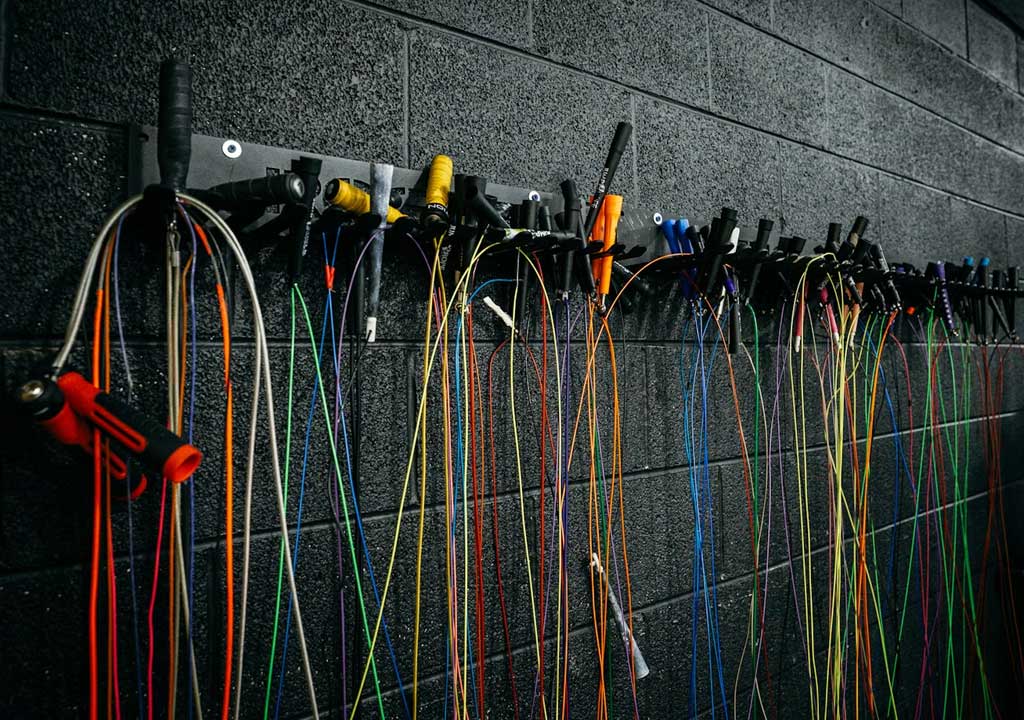

The Jump Rope Gear Guide: Handles, Cables, and Replacement Parts

The Jump Rope Gear Guide: Handles, Cables, and Replacement Parts
Jump rope training is simple in concept but surprisingly nuanced when you start chasing speed, consistency, and technique. The right gear can transform a basic cardio session into a smooth, repeatable workout that feels almost effortless. Whether you’re a beginner establishing a solid rhythm, a cross?fitter chasing double-unders, or a daily commuter who uses a rope to squeeze in quick workouts between meetings, understanding the components of a jump rope—and how to replace or upgrade them—will pay dividends in durability, performance, and enjoyment.
In this guide, we’ll break down the three core categories of jump rope hardware—handles, cables or ropes, and replacement parts—along with practical tips for selection, sizing, maintenance, and care. You’ll find advice that applies across common rope styles, from affordable entry ropes to premium speed ropes designed for competition. By the end, you’ll know what to look for, how to troubleshoot wear, and how to keep your gear in peak condition for years of hard workouts.
Understanding the core components: handles, cables, and the replacement ecosystem
At its most basic, a jump rope is three things: a handle, a length of cable or rope, and a method to connect that rope to the handle so it spins smoothly. The magic happens in the details. The way the rope attaches, how freely it rotates, and how comfortable the grip feels over repetitions will influence your form, speed, and even your motivation to keep going. Different styles of rope—speed ropes, weighted ropes, and standard PVC ropes—emphasize different aspects of training, but the underlying hardware considerations remain similar: you want dependable pivots, robust end caps, and a cable that stands up to your training load.
Handles: grip, weight, and rotation efficiency
The handle is more than just a place to grab. It shapes your wrist rotation, control, and overall swing arc. When you pick handles, think about balance between weight, grip texture, and the bearing system that allows the rope to rotate with minimal friction.
Materials and construction
Handles come in a few common materials:
- Plastic or polymer: Lightweight and inexpensive; ideal for beginners and casual workouts. They grip well and resist corrosion, but cheaper plastics can crack under heavy use or after long exposure to sweat and salt.
- Aluminum: A popular mid?range option that balances weight and durability. Aluminum handles are stiffer, often with precision machining that reduces play at the pivot.
- Steel: Max durability and a solid, heavier feel. Steel handles are common on premium ropes and can be wrapped with a grip sleeve for comfort. They’re robust but can be colder to the touch in outdoor conditions.
- Wood or composite: Aesthetic and comfortable for some users; these tend to be heavier and are more common on decorative or specialty ropes. They can absorb sweat and require more upkeep to maintain grip texture.
The grip surface matters, too. Foam or silicone coatings offer a soft, nonslip feel, which is forgiving during high-rep sets. Textured plastics or knurled surfaces can improve grip when hands are sweaty. If you train in warm, humid environments or sweat heavily, prioritize a material that stays grippy even when damp and is easy to wipe down after workouts.
Bearings and rotation
The heart of a fast, smooth swing is the bearing system inside the handle. Most quality handles use a pair of ball bearings or a sealed bearing system that allows the rope to rotate with minimal friction. The benefits are real:
- Quicker spins with less effort, which translates into cleaner doubles and faster singles.
- Less rope snagging or binding in the neck of the handle during rapid rotations.
- Longer lifespan, as a robust bearing system reduces stress on the attachment point and reduces wobble.
Cheaper handles often rely on a simple, non?bearing axle or a loose pivot that introduces play as you fatigue. If you’re aiming for speed or double-unders, investing in a pair of handles with quality bearings is worth it. For casual workouts, a basic handle with a smooth, minimal friction pivot can be perfectly adequate.
Geometry and weight distribution
Handle geometry influences your swing arc and the feel of the rope as it exits the feet. Ergonomic, slightly tapered handles can reduce grip fatigue, especially during longer sessions. Heavier handles—common in weighted rope setups—require more wrist control but can help build strength and stabilize your technique, particularly for beginners learning the feel of the rope. Conversely, lighter handles are preferred for speed work and double-unders, because they require less torque from the wrist to move quickly.
If you train with partners or in a gym setting, consider handles with interchangeable grips or removable bearings. This makes it easier to rotate between training styles without buying an entirely new rope.
Cables and ropes: how length, thickness, and construction matter
The rope or cable is the workhorse that actually makes contact with the ground as you swing. The material, diameter, coating, and overall construction have a big impact on durability, spin quality, and the kinds of workouts you can perform.
Types of rope and cable constructions
Depending on your goals, you’ll encounter several common rope types:
- Coated steel cable: The flagship of speed ropes. A thin steel core with a protective coating (often nylon or PVC) reduces wear on the rope, lowers friction, and resists kinking. These are excellent for speed work, double-unders, and athletes who need precise feedback from each rotation. The coating also extends the rope’s life when used on rough gym floors.
- Uncoated steel cable: Strong and durable but more prone to fraying and wear at contact points. Typically used in settings where replacement parts are readily available, and the user doesn’t mind maintenance.
- PVC or nylon rope: A lightweight, flexible alternative suitable for beginners or casual workouts. It’s forgiving and inexpensive but can wear out quickly on rough surfaces or with aggressive training.
- Braided or polymer?core ropes: Some high?end options use braided construction to minimize tangling and provide a stable spin. These can be more resistant to kinking and offer predictable performance as they wear in.
Thickness matters too. Common diameters range from about 1.0 mm to 2.0 mm for cables. A thinner rope spins faster and is more responsive, which is ideal for experienced jumpers and speed work. A thicker rope is more forgiving, better for beginners, and more durable for outdoor use and heavy footwork. If you’re just starting, a mid?range diameter (around 1.2–1.5 mm) paired with a smooth coating is a safe bet.
Length is a function of your height, skill level, and the type of training you intend to do. The standard approach is to choose a rope long enough to reach your armpits when the rope is taut between the handles with you standing on the middle. For tall athletes, that often means longer ropes; for kids, shorter ropes are typically necessary. Adjustable or easily trim?to?fit ropes offer great flexibility as you grow or switch training styles.
Length, adjustability, and fit
How do you size the rope correctly? A simple method is:
- Stand on the middle of the rope with one foot and pull the handles up along your sides until the rope is taut. The handles should reach your armpits or just above. If the rope drags on the ground or you have to crouch to swing, it’s too long. If you can barely reach a comfortable swing, it’s too short.
- Many ropes feature adjustable length, often via a set screw, a clamp, or a plug?in end. For these, trim the rope in small increments and re?test the length. Don’t cut more than a few centimeters at a time until you’re sure of the ideal length.
For travel or variable workouts, consider a rope with tool?free length adjustment. Some models use a plug?in system inside the handle that makes on?the?fly changes quick and reliable, which is handy if you train with partners of varying heights or if you’ll switch between speed work and casual workouts in the same week.
Wear indicators and replacement signals
Rope wear shows up in several ways:
- Fraying along the coating or visible wire strands poking through the coating.
- Wobble or noticeable play at the handle connection, suggesting the bearing or end cap is wearing.
- Cracks or discomfort in the grip area that compromise control or comfort.
- Deformation at the contact points where the rope spins around the handle ferrule, leading to irregular spins.
If you notice any of these signs, it’s time to inspect and possibly replace the rope or the end components. Regular inspection is a quick way to prevent sudden failures mid?workout and to keep your movement pattern stable.
Replacement parts: what to stock and how to swap them
Keeping a jump rope in peak condition is less about owning a single perfect rope and more about having a small set of replacement parts that let you tailor the setup on the fly. A typical replacement parts kit might include a spare set of bearings, end caps or ferrules, a length of cable or rope, and small tools for adjustment (mini?screwdrivers, hex wrenches, or pliers depending on the model).
Core replacement parts
Below are the parts you’re most likely to swap over time, along with notes on when to consider each:
- End caps / ferrules: Protect the rope and secure it to the handle. Worn end caps can cause wobble or rope detachment. Replacing these is often a straightforward fix that requires only basic tools.
- Bearings: In bearings?equipped handles, the bearings determine spin quality. If you feel grinding, roughness, or increased resistance, bearings may be worn and can often be replaced without buying new handles.
- Rope or cable length: If the rope has stretched, frayed, or the coating has worn away, replacing the rope length keeps tension consistent and reduces snag risk.
- Clips, plugs, or connector hardware: Some ropes use a small clip to join the ends. If this hardware wears, it can cause the rope to separate or kink. Replacing clips is typically inexpensive and easy.
- Grip sleeves or sleeves for handles: If your grip wears or you want to refresh the feel, new grip sleeves can restore the comfort and control you expect from a high?quality rope.
When shopping for replacement parts, it helps to know the model or at least the diameter and type of your rope. Some parts are model?specific, while others are more universal. If you’re unsure, keep the part number written on the original packaging or on the product itself, and check the manufacturer’s compatibility guides or customer support.
Practical swaps and DIY tips
Replacing parts can be a simple DIY job for most people:
- Use the correct tools and avoid overtightening when reassembling end caps or bearings. Over?torquing can damage threads or compress parts in a way that adds friction rather than reducing it.
- Store replacement ropes with the same diameter and coating as your primary rope to ensure consistent performance swap?outs.
- Label or photograph your setup before disassembly. If you regularly switch between different training styles (speed vs. endurance), a quick photo can save time when you reassemble.
- Keep a small maintenance kit with a microfiber cloth, a light oil or dry?lube intended for bearings, and a spare set of end caps. Wipe the rope down after workouts to reduce sweat corrosion and dust accumulation.
For those who like clean, minimal setups, consider a modular rope system where you can swap the cable or rope and the bearing assembly without needing to change the handle. This can save money over time and keeps your gym bag lighter by avoiding multiple complete ropes.
Choosing the right setup for your goals
The best gear for you depends on your training goals, environment, and personal preferences. Here are general guidelines to help you pick a setup that aligns with common use cases.
Beginners and casual fitness
If you’re just starting or you’re using a rope for family workouts or a quick cardio blast, prioritize comfort and durability. Choose:
- Handles with a soft, sweat?resistant grip and a mild taper for comfort.
- A mid?range rope diameter (around 1.2–1.5 mm) with a forgiving plastic or PVC coating.
- End caps that stay secure and easy to replace if needed.
You’ll benefit from a longer rope that’s easy to control at slow speeds and a bit more margin for error as you learn timing and footwork.
Speed work and doubles training
For athletes who want clean doubles and fast singles, the emphasis shifts to a high?quality, low?friction rope and precision bearings:
- High?quality bearing systems in the handles for ultra?smooth rotation.
- Coated steel cable or a braided speed rope with a very light coating to minimize friction.
- Speeds are enhanced by a lighter handle and a longer reach; however, ensure you don’t sacrifice control.
In this realm, a slightly thinner cable (around 1.0–1.3 mm) can help you accelerate quickly. Adjust the length to reach the armpit height when taut for your height, and be prepared to practice technique for longer sessions as speed work can be taxing on wrists initially.
Crossfit and functional training
Crossfit and other functional training modalities often demand robust, versatile gear. Look for:
- Durable handles with robust end caps and secure bearings to withstand frequent resets and missteps.
- A mid?to?heavy rope that’s less prone to tangling and that can tolerate a variety of surfaces (gym floors, concrete, rubber mats).
- Replaceable parts and a modular design so you can adapt the rope for different workouts without buying a whole new unit.
In this scenario, you’ll likely favor slightly heavier handles for better control during box jumps, burpees with a rope, or ladder drills, where consistent swing timing matters more than ultimate speed.
Maintenance and care: extending the life of your rope gear
Proper care goes a long way toward extending the life of your jump rope and keeping performance high. Here’s a straightforward maintenance routine you can adopt after every workout.
- Wipe down the rope and handles: Sweat, oils, and dust can degrade coatings and grip surfaces. A quick wipe with a damp cloth and a dry microfiber afterward keeps everything clean.
- Inspect for wear: Look for fraying on the coating, kinks in the cable, or wobble in the handle bearings. If you notice any of these signs, swap the worn part promptly to prevent a larger failure during a workout.
- Lubricate bearings sparingly: If your handles use serviceable bearings, a tiny amount of light machine oil can keep them spinning freely. Avoid over?lubricating, as excess oil can attract dust and hamper performance.
- Store properly: Keep ropes coiled or loosely hung to avoid kinks. Store in a cool, dry place away from direct sunlight to protect coatings from UV damage.
For outdoor use, inspect the rope’s ends for abrasion caused by pavements or gym floors. If you train outdoors frequently, a heavier?duty rope with a tougher coating will resist abrasion better than a light PVC rope.
Sizing and setup quick reference
If you prefer a quick reference to sizing without diving into the details:
- Stand on the middle of the rope; pull handles up toward your armpits. If the handles are too low, the rope is too long. If you need to tilt your head to see the rope, it’s too short.
- Begin with a mid?range diameter (1.2–1.5 mm) if you’re a beginner. You can move to a thinner rope later as your technique improves.
- Select a handle and bearing combination that feels balanced in your hand; you should hardly notice the rope twisting unless you intend to perform a specific skill like double?unders or crossovers.
Where to buy and how to verify compatibility
Replacement parts and upgrade options are widely available online and in sports retailers. When buying, keep these tips in mind:
- Check the model number and compatibility notes. Some parts are model?specific, and a bearing kit for one rope may not fit another.
- Consider purchasing a small maintenance kit that includes spare end caps, extra bearings, and a length of spare cable. This makes it easier to perform quick repairs without hunting for separate parts later.
- Read user reviews focusing on durability and ease of replacement. Pay attention to mentions of coating wear, bearing smoothness, and any issues with length adjustments.
If you’re unsure about compatibility, contact the manufacturer’s customer support with your rope’s model number, diameter, and length. They can confirm the right replacement parts and provide installation guidance.
Putting it all together: a sample gear plan
Here’s a practical example of how you might assemble a reliable, versatile jump rope setup for a typical home gym:
- Rope type: Coated steel cable with a mid?range diameter (1.2–1.4 mm) for a balance between speed and durability.
- Handles: Aluminum bodies with sealed ball bearings, a comfortable foam grip, and a slightly tapered shape for a solid feel during long sessions.
- Length: Adjustable to reach the armpits when taut for your height; keep a spare short section if you’ll train with shorter athletes or children.
- Replacement parts: A small spare end cap/set, an extra length of cable, and a set of bearings so you’re prepared for wear without disrupting training.
- Maintenance plan: Wipe after use, check for frayed coatings every 2–4 workouts, lubricate bearings every few weeks of heavy use, and replace worn cables as soon as you notice performance drop or audible squeaking.
With this setup, you’ll be prepared for a wide range of workouts—from relaxed cardio sessions to high?intensity interval training and technique work. The balance of durability, performance, and ease of maintenance will keep your rope versatile, so you can focus on technique and consistency rather than gear issues.
Conclusion: invest in the right gear, and your jumps will thank you
The jump rope is deceptively simple, but the true power of a great rope lies in the harmony between its components. Handles that rotate smoothly and feel comfortable in your grip, a rope that both resists wear and responds predictably to your pulls, and a set of replacement parts that let you keep the same core tool in service for years—these are the pillars of durable, effective jump rope training.
By understanding the roles of handles, cables, and replacement parts, you’ll be better equipped to tailor your rope to your goals, environment, and preferences. Whether you’re negotiating your first minutes with a rope or chasing a personal record in double?unders, the right gear makes every session smoother, more enjoyable, and more repeatable. Keep an eye on wear, choose components that suit your training style, and maintain your gear with a simple, consistent routine. Your future self—sweat?soaked, smiling, and a little faster—will thank you.
End of guide.
LIKED THIS ARTICLE? SHARE IT: