


















Choosing the Right Jump Rope: A Beginner's Guide to Gear

Choosing the Right Jump Rope: A Beginner's Guide to Gear
Jump ropes are among the oldest and most versatile pieces of fitness gear, and yet they’re sometimes treated like a throwaway accessory. For beginners, the array of rope types, handles, lengths, and materials can feel overwhelming. The good news is that you don’t need to own a full catalog of ropes to get started — you just need one rope that matches your goals and your current skill level. This guide walks you through the essentials of choosing the right jump rope, with practical tips you can apply today to find a rope that feels natural, durable, and fun to use.
Understanding Your Goals
Before you buy, take a moment to define what you want from jump rope training. Are you aiming to improve cardiovascular fitness, build coordination and rhythm, or practice speed for sport-specific drills? Your goals influence the rope you choose and how you’ll train with it.
For most beginners, the priority is to build consistency and learn proper form. A rope that is too fast or too heavy can hinder your early progress, leading to frustration or even injury. If your goals include conditioning and fat loss, you’ll likely benefit from a rope that allows for longer sessions with comfortable, steady rotations. If you’re into boxing, calisthenics, or cross-training, you might lean toward a rope that scales with your progression and supports a variety of drills. Knowing your goals helps you select a rope that stays relevant as you improve.
Types of Jump Ropes
Jump ropes come in several primary styles, each with strengths and tradeoffs. Here are the main categories you’ll encounter and what they’re best suited for.
Speed Rope
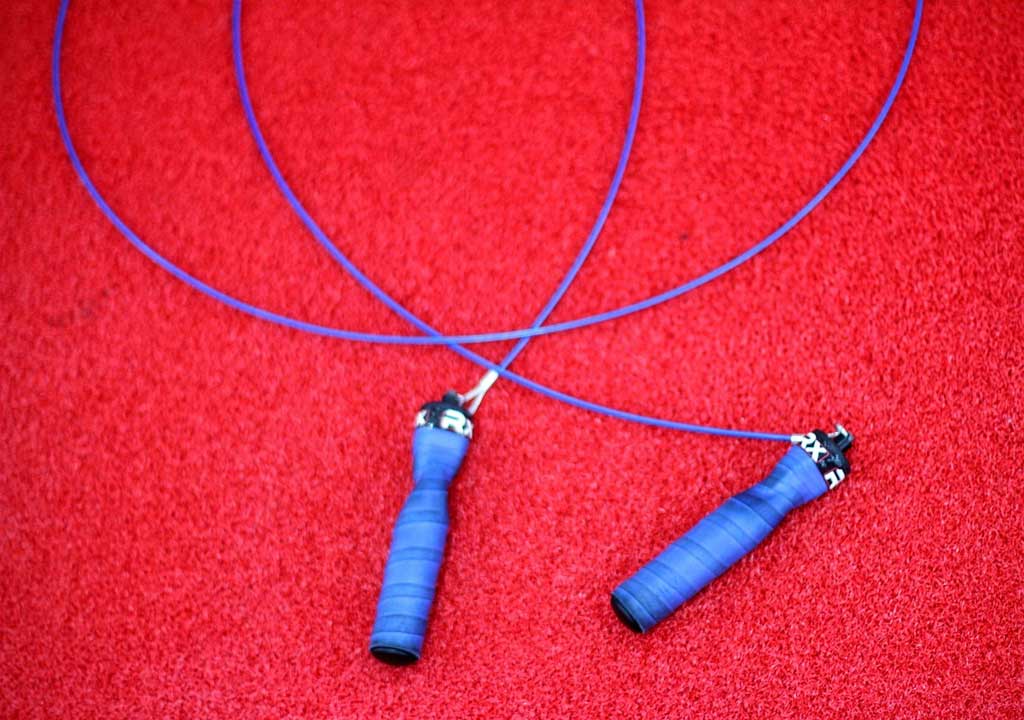
A speed rope is typically a lightweight cable (often steel) with a thin coating and small, ball-bearing handles. It’s designed for rapid rotations and is favored by those focusing on endurance, double-unders, and fast footwork. The cable is usually very thin, which reduces air resistance and enables quick spins, but it can feel unforgiving if you catch the rope on your toes or misjudge your timing.
Why beginners might start with a speed rope: it encourages quick hand speed and rhythm, and most models are adjustable, letting you dial in the length as you grow more confident. However, if you’re not yet timing your jumps consistently, a speed rope can feel twitchy. In that case, you may want to begin with a more forgiving option and transition later.
Beaded Rope (or Wooden Bead Rope)
A beaded rope has a series of small beads that slide along a cord, creating greater feedback on missteps and a tactile cadence as you swing. The beads help the rope stay visible, which is helpful for beginners who are learning spacing and timing. Beaded ropes are heavier than speed ropes, which makes them slower to rotate but easier to control at a comfortable pace. They’re durable for rough usage and perform well on a variety of surfaces.
Tip for beginners: beaded ropes are forgiving when you’re learning to coordinate your wrists and arms. They’re a solid choice if you’re practicing basic two-foot jumps and want a rope that won’t whip around so quickly.
PVC/Plastic Braided Rope
PVC or plastic braided ropes strike a balance between speed and durability. They’re lighter than beaded ropes but heavier than some pure speed ropes, providing a dependable middle ground. They tend to glide smoothly over most surfaces and can handle a fair amount of daily practice. Many adjustable models fall into this category, making them convenient for a family or shared gym setup.
Why choose a PVC braided rope as a beginner: it offers predictable rhythm, is less likely to tangle, and provides a forgiving feel without requiring expensive gear. It’s a versatile starting point if you don’t yet know whether you’ll prefer a beaded or a lightweight stainless-steel option.
Weighted Rope
Weighted ropes include added mass in the handles or thicker, heavier construction in the cord. They emphasize grip strength, shoulder endurance, and overall power development. For beginners, a lightweight or standard rope is typically preferred, but a light-weighted option can be introduced later to build upper body endurance and to challenge your stability as you advance. Be cautious: an overly heavy rope can shorten sessions and discourage you if you’re just starting out.
Adjustable Rope
Many beginner-friendly ropes are adjustable, allowing you to modify length by trimming the cord or using adjustable hardware. This is especially useful as you grow taller or improve your technique, ensuring you don’t outgrow your rope too quickly. An adjustable rope helps you maximize comfort and alignment from day one, which reduces the risk of bad habits forming due to improper length.
Smart Ropes and High-Tech Options
Some ropes incorporate sensors or digital tracking, connecting to apps to log reps and calories. For most beginners, a basic rope is sufficient to develop rhythm and form. If you’re curious about tech-driven metrics or you enjoy integrating rope work into a quantified fitness routine, a smart rope can add motivation. Just remember that extra features won’t replace solid technique and consistent practice.
Rope Material and Construction
The material and how a rope is built influence durability, weight, and how it behaves on different surfaces. Here are the core considerations to help you pick wisely.
Cable vs. cord: Most high-performance ropes use a thin steel cable with a protective coating. This provides durability and a predictable, fast rotation. For beginners with a lot of overhead or footwork, a coated cable reduces friction and wear while keeping the rope light and responsive. If you’re practicing on rough pavement or concrete, you may want a rope with a tougher coating to resist scuffs and kinks.
Diameter: Rope diameter affects speed and control. A thinner rope (roughly 1.9–2.5 mm) spins very fast and is common in speed ropes. A slightly thicker rope (2.5–3.0 mm) balances speed with control and is friendlier for beginners who are still finding their rhythm. Beaded ropes often use slightly thicker cords because the beads add mass and tension along the line.
Coating and finish: A protective coating (often nylon or polyurethane) reduces friction against the cable and extends the rope’s life. For beginners, a well-coated rope glides smoothly and is less likely to catch on shoes or gym mats. A frayed coating can snag and break prematurely, so inspect for wear and replace when needed.
Handles: The grip should feel secure and comfortable in your hands. Handles range from basic plastic or foam to ergonomic, contoured designs with ball bearings. Ball-bearing handles help the rope rotate smoothly at higher speeds, which can be beneficial as you advance. If you have hand or wrist sensitivities, look for padded grips or cushioned handles.
Handles and Grip: What to Look For
Handle design can dramatically affect your learning curve. A well-made handle provides a natural grip, minimizes wrist strain, and reduces tangling. Here’s what to check.
Fit and ergonomics: A handle that sits comfortably in your palm with a natural angle is crucial. If you have large hands, look for longer handles; if you have smaller hands, shorter, more compact designs may feel better.
Ball bearings: Handles with integrated ball bearings enable the rope to rotate with minimal friction. This is especially helpful for beginners who want a stable, predictable arc.
Grip texture: A slightly textured or rubberized grip helps prevent the rope from slipping when your hands get sweaty. Avoid overly slick handles that require you to grip tighter, which can cause fatigue.
Detachable or adjustable ends: Some ropes let you swap cords or adjust length without tools. This is convenient for growing children or households with multiple users of different sizes.
Rope Length: How to Size It Right
Length is one of the most critical factors for beginners. A rope that's too long will drag and tangle; one that’s too short will hit your heels and limit your movement. A properly sized rope enables you to swing with minimal interference and gradually increase speed as you build confidence.
Basic sizing method (for most adults): Stand on the middle of the rope with both feet while holding the handles straight up toward your armpits. The handles should reach roughly your armpits or your armpit height. For a child or teen, adjust accordingly by their height and arm length. A simple rule of thumb is that once you grip the handles at chest height, a small amount of rope should extend beyond your armpits by a couple of inches. If you’re unsure, many adjustable ropes have range markers or length guides to help you dial in the right size.
Trial and fit: When you first try a rope, perform a few gentle single-unders in an open space. If the rope continuously catches your toes or drags on the floor, you may need to shorten it. If it feels like it’s scraping the ground or you’re overcorrecting your wrist, you might need to lengthen it. Length is easier to adjust with an adjustable rope.
Comfort and Fit for Beginners
Comfort matters because it determines how long you’ll stay engaged with training. A comfortable rope reduces distraction, enabling you to focus on form and cadence. Here are comfort considerations to keep in mind.
Surface compatibility: If you’re practicing on tile, wood, or gym mats, you’ll want a smooth-rope that glides without catching. Beaded ropes can be excellent on rougher surfaces but may feel less forgiving indoors where the rope needs to clear your feet.
Warm-up readiness: Choose a rope that’s easy to maneuver during a 5–10 minute warm-up. You want a rope that doesn’t require excessive force to rotate. A lightweight, well-balanced rope with comfortable handles is ideal for beginners in this regard.
Progression-friendly design: A rope that allows you to adjust length and gradually increase speed is valuable for a beginner who expects to level up. Look for flexible options rather than a single fixed length.
Budget and Where to Buy
Jump ropes span a wide price range, from inexpensive beginner models to high-end gear designed for professionals. For most beginners, a mid-range rope offers a solid balance of durability, performance, and value. Here are buying considerations to guide your decision.
Budget range: A reliable beginner rope typically costs between 10 and 40 USD, depending on features like adjustable length, bearing systems, and coatings. Expect higher prices for premium materials or smart-rope integrations.
Quality indicators: Look for a coated cable, a comfortable grip, and robust hardware that won’t loosen or squeak with use. Check customer reviews for durability in real-world use, especially if you’ll be training daily or taking the rope outdoors.
Where to buy: Sporting goods stores, fitness retailers, and online marketplaces all stock beginner-friendly ropes. If you’re shopping online, read sizing guides carefully and check return policies so you can exchange a rope that doesn’t fit your height or feels uncomfortable.
How to Practice: A Simple Beginner Progression
Learning to jump rope is a progression of small wins. Start with a plan that builds confidence, rhythm, and basic technique before adding speed or complex footwork. Here’s a practical progression you can adopt.
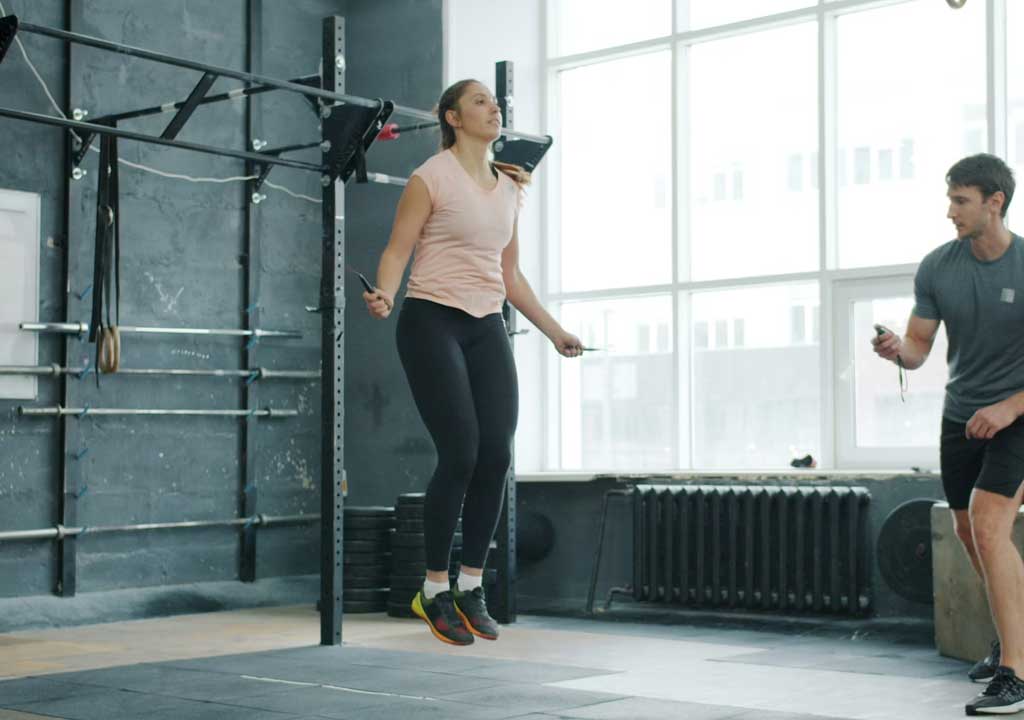
Step 1 — Stance and timing: Stand tall with feet together, elbows by your sides, and wrists relaxed. Swing the rope over your head with a small wrist motion and land softly on the balls of your feet. Practice single-unders at a comfortable pace until you can do 30–60 seconds without tripping.
Step 2 — Consistent rhythm: Focus on a steady cadence rather than speed. Your goal is to produce a smooth, even arc with each swing, minimizing foot movement. Short, controlled jumps with light landings help you build endurance.
Step 3 — Basic variations: Once you’re comfortable with single-unders, try alternating foot steps, where you lift alternate feet to simulate a light jog. This introduces variety and helps with coordination.
Step 4 — Progress to basic doubles: If your rope is suited for it, practice two quick wrist turns per jump. This introduces you to timing and speed without overwhelming you. If doubles feel too advanced, keep building your single-unders for several weeks.
Step 5 — Cool-down and reflection: End each session with a short cool-down. Stretch your calves, hamstrings, shoulders, and wrists. Reflect on what felt easy and what needs more practice, then adjust your plan for the next session.
Maintenance and Longevity
A rope is a small investment with a big payoff, so taking good care of it ensures it lasts. Here are simple maintenance tips to extend the life of your rope.
Regular inspection: After each session, inspect the rope for frayed coatings, kinks in a cable, or loose hardware. If you notice wear, replace the rope or the affected parts to prevent snapping or injury.
Drying and storage: If your rope gets wet, dry it thoroughly before storing it to prevent corrosion or degradation of coatings. Store in a cool, dry place away from direct sunlight, which can weaken materials over time.
Rotation and alignment: Ensure the rope rotates evenly and doesn’t rub against surfaces unevenly. Clean handles and bearings as needed, and tighten any loose components.
Common Mistakes and How to Fix Them
Even with the right rope, beginners can stumble. Here are common mistakes and practical fixes to help you progress more quickly.
Too long or too short: If the rope drags or catches your toes, it’s likely too long. If it feels taut or you’re constantly catching the ground, it may be too short. Recheck length with the armpit rule and adjust.
Too fast too soon: Jumping too quickly can lead to poor form and higher risk of injury. Slow down your rotation to build solid technique first, then gradually increase speed as your cadence becomes consistent.
Tension in wrists: Clenching the fists or tensing forearms creates fatigue. Keep wrists loose and let the rope spin from the wrists with a light touch.
Hitting the feet: Practice smaller jumps and keep your landings quiet and controlled. Move your feet less and use your calves to spring.
Rope tangling: If the rope keeps tangling, check the length, the angle of your swing, and whether you’re stepping into the path of the rope. A little adjustment goes a long way.
Choosing Your First Rope: A Step-by-Step Checklist
Use this quick checklist to select a beginner-friendly rope that fits your goals, body type, and budget.
1) Define your primary goal: cardio, skill development, or general fitness.
2) Pick a type: start with a PVC braided rope or a beaded rope for a forgiving learning curve; consider a speed rope later if your goals shift to high-speed drills.
3) Ensure adjustable length: choose a rope with adjustable length so you can tailor it to your height or the needs of family members.
4) Check the handle and bearings: opt for ergonomic handles and at least basic bearings to ensure smooth rotation.
5) Confirm durability and warranty: look for coatings that resist wear and a clear return policy if the rope doesn’t suit you.
6) Decide on budget: most beginners can start with a mid-range rope and upgrade later as they commit to regular practice.
The Beginner's Jump Rope Gear Kit
To help you get up and going quickly, here’s a compact starter kit recommendation. It’s designed for reliability, simplicity, and a smooth learning curve.
- One adjustable PVC braided rope with a length that fits your height.
- Ergonomic, lightweight handles with a comfortable grip and basic bearings.
- A rainproof or gym bag-friendly case or pouch to keep the rope clean and protected between sessions.
- A small workout mat for comfortable stance work and to minimize floor impact on hard surfaces.
- A quick-release pair of athletic shoes with good support to ensure stable footwork.
Optional items for future upgrades: a beaded rope for learning cadence, a speed rope for fast drills, and a trainer or video guide to help you structure workouts.
Frequently Asked Questions
Below are quick answers to common questions beginners have about jump ropes. If your question isn’t here, feel free to ask for more details.
Q: Do I really need a weighted rope as a beginner?
A: Not immediately. A standard or light PVC rope is usually best for learning form and rhythm. You can experiment with a light-weighted option later if you want to target grip endurance.
Q: How often should I practice?
A: Aim for short, 10–20 minute sessions, 3–5 times a week to build consistency without overdoing it. Increase duration gradually as your technique improves.
Q: Can I jump rope on concrete?
A: It’s possible, but it increases impact on your joints. If you must practice on concrete, use a mat or a forgiving surface and consider a rope with a protective coating and softer handle materials.
Q: How do I know when I’m ready for faster drills like double-unders?
A: When you can reliably complete 60–120 seconds of smooth single-unders with consistent cadence, and your feet maintain control with minimal missteps, you’re ready to introduce basic speed drills gradually.
Final Thoughts: Start Simple, Grow with Confidence
Choosing the right jump rope as a beginner is less about chasing the most expensive gear and more about finding a rope that fits your body, your space, and your goals. Start with a rope that’s forgiving, easy to control, and durable enough to handle regular use. Prioritize proper length, comfortable grips, and a smooth rotation that won’t fight your learning curve. As you practice, you’ll discover how your preferences evolve — perhaps you’ll gravitate toward a beaded rope for rhythm and control, or you’ll embrace a speed rope to push your endurance and precision.
Remember that mastery comes with time and repetition. A well-chosen rope is the partner that keeps your momentum going, whether you’re warming up, breaking a sweat, or refining a set of drills for a cross-training routine. With the right gear, your daily jump becomes more than a habit; it becomes a dynamic, enjoyable part of your fitness journey. Happy jumping, and may your rope stay tangle-free as your skills grow.
LIKED THIS ARTICLE? SHARE IT: