



















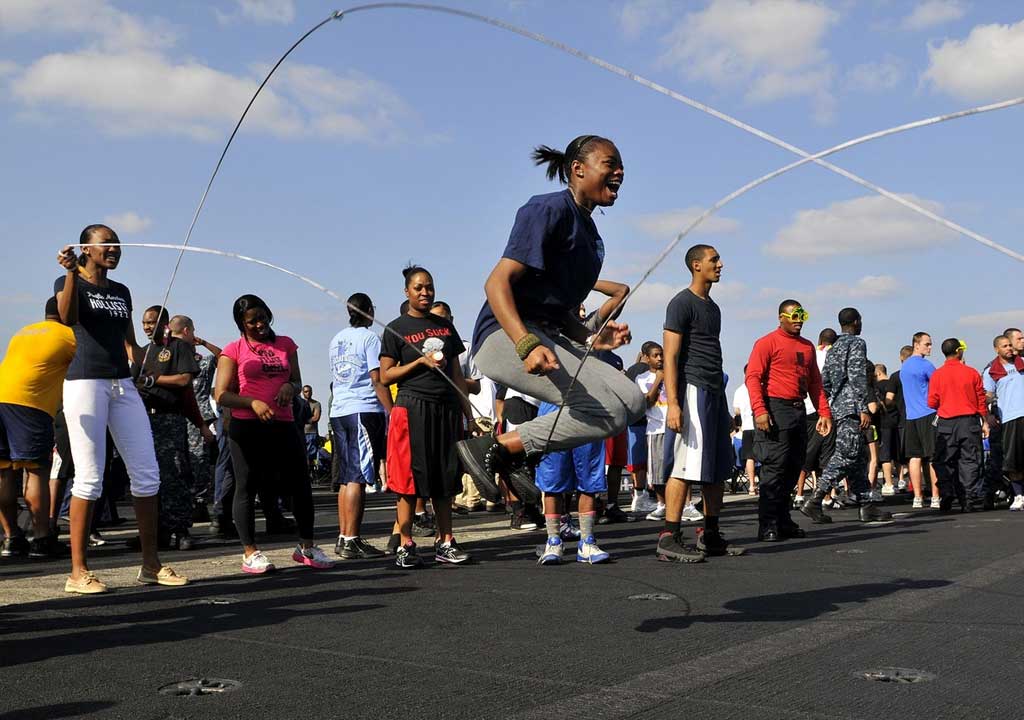

Warm Up and Injury Prevention for Jump Rope Newcomers

Warm Up and Injury Prevention for Jump Rope Newcomers
Jump rope is a simple, portable, and highly effective form of cardio that can build endurance, coordination, and timing in people of all ages. For newcomers, however, the combination of quick wrist rotations, bounce jumps, and the repeated impact on the ankles and knees can lead to overuse injuries or acute strains if you jump in without preparing the body properly. A thoughtful warm up sets the stage for efficient movements, reduces the risk of injury, and helps you enjoy longer, more productive practice sessions. This guide lays out practical warm?up routines, injury prevention strategies, and progression plans tailored to jump rope beginners.
Why a warm up matters for jump rope newcomers
A warm up is more than a brief hop in place before you start skipping. It primes your muscles, tendons, joints, and nervous system for the specific demands of jump rope work. For beginners, a well?structured warm up can:
- Improve blood flow to key muscle groups (lower legs, hips, core, shoulders, wrists), which helps you feel less stiff and more responsive.
- Increase joint range of motion and muscular elasticity, reducing the likelihood of strains and sprains.
- Enhance neuromuscular coordination, which translates into smoother jump timing and better technique.
- Predict and prevent fatigue symptoms by gradually raising heart rate and breathing.
Neglecting a warm up can leave you more prone to shin splints, ankle sprains, Achilles tendon irritation, patellar or knee pain, and shoulder or wrist strains, especially when you start to increase load or duration. A short, thoughtful warm up helps you stay consistent and enjoy jump rope practice from the very first session.
What to prepare before you start
Besides a good warm up, a few setup details can dramatically reduce injury risk and improve your comfort level during your first weeks. Check these items before you begin jumping:
- Surface: Choose a smooth, flat surface with some give, such as a wooden gym floor, rubberized mat, or a sport court. Avoid concrete or asphalt for early sessions, as these hard surfaces increase impact forces.
- Rope length: A rope that is too long or too short makes timing harder and increases the risk of tripping. For most beginners, a rope that reaches roughly to your armpits when standing on it with both feet is a good starting point. If you’re very tall or very short, adjust accordingly by a few inches so that the rope arc clears your feet with a slight bend at the elbows.
- Environment: Clear the area of obstacles, wear comfortable clothing, and ensure good lighting. Keep water handy and take a quick break if you feel dizzy or lightheaded.
With the right equipment and surface, your warm up can focus on preparing the exact muscles and joints you’ll use during rope work, making your first sessions safer and more productive.
The anatomy of a safe jump rope warm up
A good warm up targets three broad areas:
- Mobility and range of motion: Hips, ankles, calves, hamstrings, quads, and shoulders. You want comfortable but not painful ranges of motion.
- Muscle activation: Primary movers for jumping (calves, quads, glutes), plus stabilizers (core, glutes, rotator cuff muscles, scapular stabilizers).
- Neuromuscular readiness: Gentle, sport?specific drills that teach your nervous system to coordinate footwork, wrist rotation, and timing with the rope.
In practice, a well?structured warm up for jump rope newcomers begins with general movement to raise heart rate, then moves into dynamic mobility around the hips and ankles, followed by light, rope?related movements that mimic the skills you’ll perform on the rope.
Pre?session dynamic warm up (10–15 minutes)
Below is a practical dynamic warm?up you can perform on most days before jump rope practice. It is designed for beginners and can be completed in about 10 to 15 minutes. You can adjust the tempo and volume as you gain comfort and strength.
1) General activation (3–4 minutes)
March or light jog in place, gradually increasing pace. Include a few skips on the spot to wake the calves and shins without rope use. If you have shin discomfort, keep this segment gentler and shorter. Focus on keeping your chest up and arms relaxed.
2) Hip and ankle mobility (3–4 minutes)
- Hip circles: Stand on one leg and circle the lifted knee forward, to the side, back, and down. Do 6–8 circles per leg in each direction, then switch.
- Hip openers (leg swings): Stand near a wall for balance. Swing one leg forward/back and side-to-side 10–12 times per leg, gradually increasing range of motion.
- Ankle mobility: While seated or standing, rotate each ankle clockwise and counterclockwise for 10–12 reps. Then do ankle rolls while standing, tracing a small circle with the toe.
3) Posterior chain and torso mobility (2–3 minutes)
- Hip hinge with reach: Stand with feet hip?width apart. Hinge at the hips while reaching toward the floor, keeping your back flat. Return to standing. Do 10–12 reps.
- Thoracic spine rotation: Kneel or stand with a light support. Place hands behind your head and rotate your upper torso to each side 8–10 times. Keep hips quiet.
4) Shoulder and wrist activation (2–3 minutes)
- Shoulder circles: 10 circles forward, 10 circles backward. Then combine with arm swings across the chest to wake the shoulder girdle.
- Wrist warm?up: Wrist circles in both directions for 10–12 reps. Then flexion/extension stretches with gentle pressure, 5–6 reps each side.
5) Core engagement (1–2 minutes)
- Cat?cow or dead bug variations can prepare the core for dynamic movement. Do 8–12 reps of each, or hold a gentle hollow?body march for 20–30 seconds to activate deep core muscles.
Rope?specific warm up (5–8 minutes)
Once your body is warmed, you can prepare for the rope itself with light rope?simulated movements. This helps you acclimate to the wrist action and timing without the risk of tripping on a full rope during the warm up.
1) Shadow rope basic bounce (2–3 minutes)
Hold two light handles at ribcage height as if you were about to jump. Practice small, quick bounces, focusing on light, quiet landings on the balls of your feet. Keep your wrists relaxed and your elbows close to your sides. Do 30–60 seconds, then rest 15–20 seconds.
2) Rope?drills without rope (2–3 minutes)
Simulate the rope motion with your hands as you would during jumping—small circles and quick wrist turns. Do 30–60 seconds, hands moving in a controlled, precise manner before returning to actual rope use.
3) Short?arc jumps (1–2 minutes)
Perform very light two?foot jumps with a tiny arc, just enough to clear the ground. Concentrate on soft landings, quiet feet, and consistent rhythm. Keep this portion gentle and short to avoid fatigue early in your session.
Jump rope technique cues for beginners
Effective technique helps prevent injuries and makes learning faster and more enjoyable. Here are practical cues to guide your form during warm?up and practice sessions:
- Posture: Stand tall with a neutral spine, chin tucked slightly, chest open. Avoid slumping or leaning forward excessively.
- Arm position: Elbows close to your body, wrists doing most of the work. Your forearms should be relatively still, with wrists rotating the rope.
- Hips and knees: Use a slight knee bend to absorb impact and land softly on the balls of your feet. Keep movements compact and controlled.
- Footwork: Start with a basic two?foot bounce. Keep the jumps micro?high and quick, not high enough to raise your heart rate dramatically. This minimizes impact and teaches timing.
- Breathing: Inhale gently through the nose and exhale through the mouth. Keep a steady rhythm that matches your jumps.
- Rope timing: Think wrists, not arms. The rope should rotate primarily around the wrists while the wrists stay close to the hips, and the jumps occur on the toes or balls of the feet.
- Progression: Add more complex moves (like alternate foot steps or basic cross arms) only after you can consistently perform basic jumps with good form for 1–2 minutes.
Injury prevention strategies for jump rope beginners
The key to injury prevention is progressive loading, appropriate equipment, and listening to your body. Here are practical strategies tailored for newcomers:
- Gradual progression: Start with short sessions (5–10 minutes) and a few short sets with rest in between. Add 1–2 minutes of continuous jumping or 1–2 more sets each week, depending on comfort and recovery.
- Footwear and surface alignment: Favor softer surfaces and well?cushioned shoes. Avoid hard, unforgiving surfaces in early weeks to protect your shins and Achilles.
- Rope length and technique: Use a rope length that allows you to clear your feet with small, controlled jumps. Poor rope control often leads to trips or sudden foot strikes that can cause ankle or knee injuries.
- Warm up before intensity spikes: If you plan to push the pace or add a tougher drill (like double unders) later, ensure your warm up has prepped calves, shins, ankles, hips, and shoulders first.
- Recovery and rest days: Jump rope works the calves, shins, and Achilles repeatedly. Allow 24–48 hours between intense sessions for adaptation and repair, especially in the first few weeks.
- Hydration and nutrition: Stay hydrated, and fuel appropriately before longer sessions to maintain muscle function and reduce fatigue risk.
- Listen to your body: If you feel persistent pain in the shins, ankles, knees, hips, shoulders, or wrists, ease off and consult a clinician if pain persists beyond a few days.
Common beginner injuries and how to prevent them
Being aware of typical issues can help you catch problems early and adjust your approach. Here are common injuries for new jump rope enthusiasts and prevention tips:
- Shin splints (medial tibial stress syndrome): Often from sudden increases in volume or intensity. Prevention: ramp up gradually, wear supportive footwear, and incorporate calf and shin strengthening as you progress.
- Achilles tendinopathy: Triggered by repetitive jumping on hard surfaces or overuse. Prevention: soften landings, mix in rest days, and include gentle calf raises and ankle mobility work.
- Ankle sprains: Caused by missteps or uneven landings. Prevention: emphasize stable landing mechanics, strengthen ankles with balance work (e.g., single?leg stands on a soft surface), and practice on a stable, level floor.
- Knee pain (patellofemoral pain): Often from excessive knee valgus or overtraining. Prevention: strengthen hips and glutes, maintain knee tracking over the toes, and avoid deep knee bending during initial sessions.
- Plantar fasciitis or foot pain: From repetitive pounding or tight calves. Prevention: stretch calves, use supportive footwear, and avoid excessive hard landings.
- Wrist or forearm tendonitis: From repetitive gripping and wrist motion. Prevention: alternate grip pressure, relax hands, and ensure wrists initiate rope movement rather than elbow or shoulder overuse.
Progression plan for jump rope beginners (4–6 weeks)
Use this as a general guide to increase your volume safely. Adjust if you experience fatigue or mild discomfort. The goal is to build consistency and confidence before increasing difficulty.
5–10 minutes total time per session. 2–3 sets of 30–60 seconds of continuous jumping with 30–60 seconds rest in between. Focus on technique, posture, and soft landings. Include basic two?foot bounce and gentle rope turns. Emphasize warm up and cool down. - Weeks 3–4: 12–20 minutes per session. 3–4 sets of 60–90 seconds of jumping with 60 seconds rest. Start introducing short practice blocks with 1–2 minutes of continuous jumping, gradually increasing progressions like single?step or forward/backward movements if comfortable.
- Weeks 5–6: 20–25 minutes per session. 4–6 sets of 90 seconds to 2 minutes of jumping with 30–60 seconds rest. Begin to incorporate gentle variations (e.g., alternating foot steps) only after you can maintain form for the basic bounce for several minutes.
Throughout this progression, prioritize form over volume. If you notice form breakdown, scale back the duration or number of sets. Consistency matters more than intensity early on.
Sample 30?minute warm up and beginner jump session
Use this template to structure your workouts for the first four weeks. It integrates a thorough warm up with a conservative jump rope practice that emphasizes technique and safety.
0–5 minutes: General warm up
- 2 minutes of brisk walking or light jog in place
- 1 minute of dynamic leg swings (each leg), 10–12 swings per direction
- 1 minute of hip circles and torso rotations
5–9 minutes: Mobility for jumping
- 1 minute ankle circles (each direction) per ankle
- 1 minute calf stretch performed actively (heel down, hold for 1–2 seconds, repeat)
- 1 minute dynamic hamstring/quad mobility (e.g., leg swings with a slight bend in the knee)
- 1 minute adductor/abductor control (side-to-side steps with gentle knee flexion)
9–14 minutes: Rope?specific warm up
- 2 x 1 minute shadow rope basic jump (no rope replaced by hand motions)
- 2 x 30–45 seconds of light rope?driven motion (gentle wrist turns for timing) with 15–20 seconds rest
14–22 minutes: Basic jump practice
- 4 x 60 seconds of basic two?foot bounce with controlled landings
- 2 x 60 seconds of alternating foot step practice if comfortable; otherwise stay with two?foot bounce
- Focus on posture, soft landings, and breathing
22–30 minutes: Cool down
- 3–5 minutes of light walking or easy motion to lower heart rate
- Static stretches for calves, hamstrings, quads, hip flexors, shoulders, and wrists (hold each for 20–30 seconds)
Post?workout recovery and stretches
After you finish, take time to recover. A short cool down helps reduce muscle stiffness and keeps you ready for your next session. Include these stretches and muscle releases:
Stand near a wall. Step back with one foot, keep the heel down, and lean forward to feel the stretch along the back of the lower leg. Hold for 20–30 seconds per leg. Sit on the floor with legs extended. Reach toward the toes, keeping the back flat. Hold 20–30 seconds. Stand on one leg, grab the ankle behind you, and gently pull toward your glute. Hold 20–30 seconds per leg. Step into a shallow lunge and press the hips forward, feeling a stretch in the front of the hip. Hold 20–30 seconds per side. - Shoulder and wrist loosening: Gentle arm across chest stretch, triceps stretch, and wrist flexor/extensor stretches. Hold each for 20–30 seconds.
- Breathing and relaxation: Finish with 1–2 minutes of slow, deep breathing to help your nervous system recover.
Keeping a safe mindset: listening to your body
Injury prevention is not only about the physical steps you take but also about how you approach training. Here are practical tips to stay safe:
- Progress gradually: If you’re new to exercise or returning after a break, err on the side of slower progression. Tiny gains weekly compound into big improvements over time.
- Respect your rest days: Your muscles adapt during rest. If you’re fatigued, sore, or just not recovering well, take a day off or swap to a lighter session.
- Never push through sharp or persistent pain: Pain that persists beyond 24–48 hours or worsens with activity requires a break and possibly professional assessment.
- Adjust according to conditions: If you’re tired, stressed, ill, or dehydrated, shorten or lighten your session. Dehydration and fatigue increase injury risk.
Common beginner questions (FAQs)
Q: Do I need a professional coach to start jump rope?
A: Not strictly, but a coach or experienced jumper can help you refine technique and safety cues early on. If you’re unsure about your form or have a history of injuries, a few sessions with a trainer or physical therapist can be valuable.
Q: How long should I jump in my first week?
A: Start with short segments (30–60 seconds) and a total time of 5–10 minutes, including warm up and cool down. Increase gradually as your comfort improves.
Q: When can I try advanced moves?
A: Only after you can perform the basic two?foot bounce with good form for several minutes, pain?free, and without tripping or collapsing your posture. Then introduce simple progressions like alternate foot steps in small doses.
Q: How important is rope length?
A: Very important. A rope that is too long or too short makes timing harder and increases trip risk. Start with a rope that reaches your armpits when you stand on it, and adjust as you gain control and height.
Putting it all together: your starter plan
To help you stay consistent, here’s a simple weekly plan you can print and follow. It blends warm up, basic rope work, and cool down, with two to four sessions per week depending on your schedule and recovery.
- Day 1: 10–12 minutes total. Warm up 5 minutes, 6–8 minutes of two?foot bounce, 2 minutes cool down.
- Day 2: 12–15 minutes total. Warm up 6 minutes, 8 minutes of mixed light rope work (two?foot bounce plus 1–2 short sets of alternate foot steps if comfortable), 2–3 minutes cool down.
- Day 3: Rest or light mobility work (optional).
- Day 4–6: 15–20 minutes total. Warm up 7 minutes, 10–12 minutes of rope practice with a small progression (add 1 minute of continuous jumping, or a simple drill like side?to?side hops if comfortable), 2–3 minutes cool down.
- Day 7: Rest or very light activity (walk, stretch).
As you gain confidence, you can extend practice time by 5–10% each week, but always prioritize form and recovery over total volume.
Closing thoughts
Starting jump rope safely is about preparation, patient progression, and listening to your body. A thoughtful warm up primes your muscles, joints, and nervous system for the unique demands of rope work. By focusing on mobility, activation, and rope?specific timing, you can reduce injury risk and build a durable foundation for a lifetime of healthy, enjoyable skipping.
Remember, consistency beats intensity in the early stages. A steady, well?structured routine will help you develop rhythm, coordination, and endurance while keeping your body safe. Keep your goals realistic, your movements controlled, and your smile ready—jump rope is a journey, not a race, and every small, safe step you take brings you closer to longer, more confident practice sessions.
LIKED THIS ARTICLE? SHARE IT: