



















Quick Cardio Boost: Short Jump Rope Workouts for Busy Days

Quick Cardio Boost: Short Jump Rope Workouts for Busy Days
In the daily grind, finding time to move can feel like a luxury. Yet your body craves movement, and your calendar can be a formidable opponent to a consistent fitness routine. The good news: you don’t need a full hour in the gym to reap real cardio benefits. A jump rope—an unobtrusive, portable piece of equipment—can transform a few minutes into a powerhouse workout. In this guide, you’ll discover how to use short jump rope sessions to boost your heart health, burn calories, and sharpen your energy, even on the busiest days. Whether you’re squeezing in between meetings, during lunch, or while the kids nap, these quick routines are designed to fit into chaotic schedules without compromising results.
Why Jump Rope Works for Busy Days
Jump rope training is a remarkably efficient form of cardio. It combines rhythm, coordination, and intensity into a compact package. Here are a few reasons why it suits tight timetables:
- Time efficiency: Short bursts of jump rope can deliver the same cardiovascular stimulus as longer runs or gym sessions when structured with intervals and variety.
- Calorie burn in a small window: The intensity can be scaled up or down, enabling you to burn meaningful calories in as little as 5 to 15 minutes. Depending on your weight and effort, you might burn roughly 10–16 calories per minute during a vigorous session, which adds up fast in a busy day.
- Minimal equipment, maximal portability: A lightweight rope fits in a laptop bag or desk drawer. You can jump rope almost anywhere with a flat surface and proper footwear.
- Coordinate, cognitive, and mood benefits: Jumping rope challenges your timing and footwork, which can boost focus and release mood-lifting endorphins—helpful when you’re juggling work, errands, and life’s little chaos.
Beyond these practical points, short rope sessions can be tailored to your current fitness level and available time. You don’t need fancy routines; you need consistent effort and smart structure. The following sections walk you through gear basics, safe form, and a menu of quick workouts you can mix and match on the fly.
Getting the Right Gear and Setup
Before you start, a few quick setup tips will make your sessions smoother, safer, and more enjoyable:
- Rope length: A standard guideline is to stand on the middle of the rope with one foot; the handles should reach roughly chest height. If you’re shorter, you may need a shorter rope; taller athletes may prefer a longer one. A properly sized rope reduces drag and makes timing more predictable.
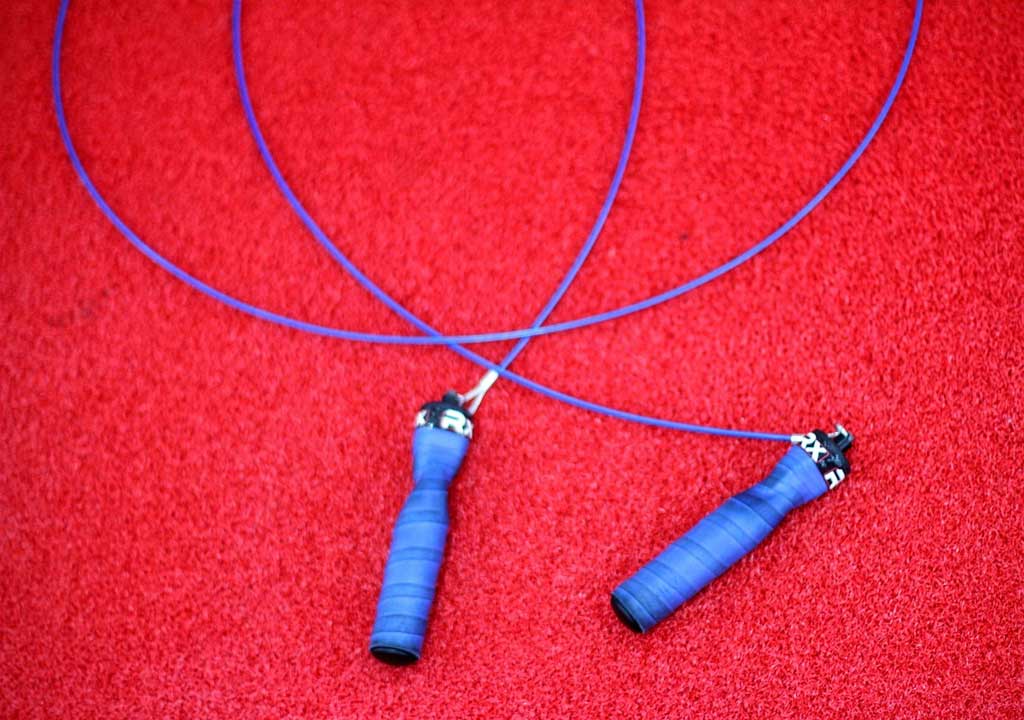
- Rope type: For beginners and mixed workouts, a lightweight beaded rope or a speed rope works well. Beaded ropes are forgiving on slower speeds and provide audible feedback, while speed ropes are great for fast rotations and double-under attempts when you’re ready.
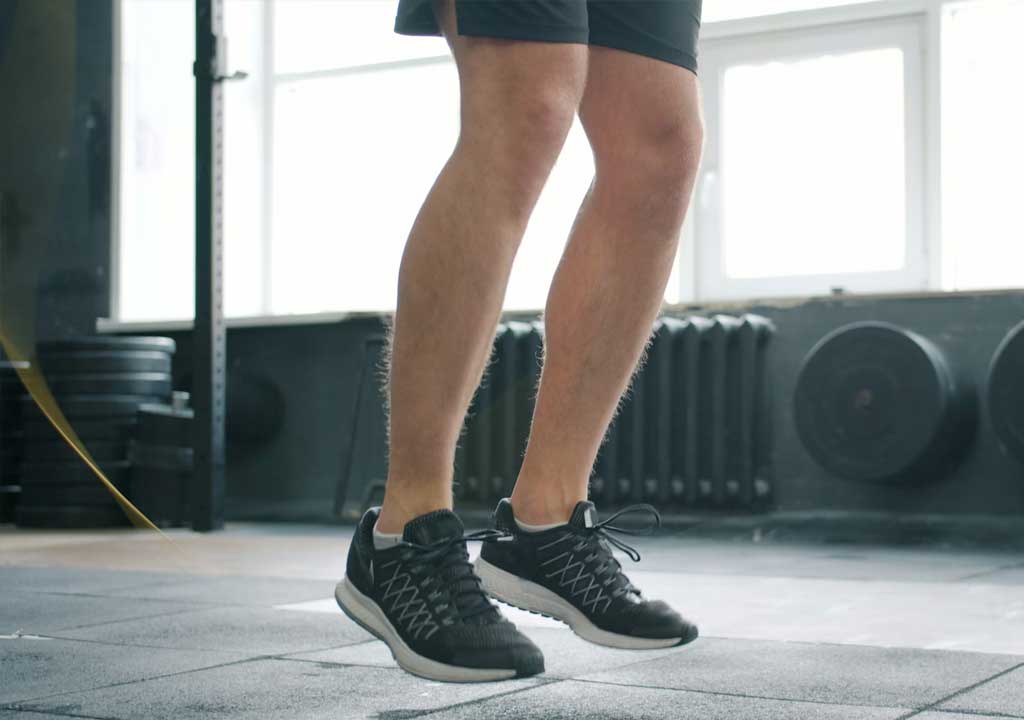
- Footwear and surface: Choose supportive athletic shoes and jump on a flat, non-slip surface. A sprung floor or rubber mat is ideal, but a wooden floor with a thin mat also works well. Avoid carpeted surfaces that snag the rope or reduce rebound.
- Warm-up and cooldown: A quick 2–3 minute warm-up of marching in place, ankle circles, and gentle leg swings helps prepare joints and muscles. Afterward, a 2–3 minute cooldown with light walking and calf stretches supports recovery.
- Clothing: Wear breathable fabrics and comfortable socks. If you’re jumping for longer durations, consider a light compression sleeve on the calves to reduce perceived fatigue for some people.
With your gear ready, you’re set to jump into the short, effective workouts described below. Each routine is designed to be finished in 5, 7, 10, or 12 minutes, followed by a quick cooldown. Pick a time that matches your day and scale intensity to your current fitness level.
Short Jump Rope Workouts for Busy Days
In the sections below, you’ll find several concise routines. Each is structured with clear intervals and simple moves so you can stay focused and finish strong. If you’re brand new to jumping rope, start with the basics and gradually add variety as your coordination improves. If you’re pressed for time, even the 5-minute version can leave you feeling accomplished and energized.
5-Minute Quick Burst (Beginner Friendly)
Goal: Build a foundation, get the heart rate up, and finish with a light cooldown. This routine uses steady, manageable paces with short rests to keep you in rhythm.
- 0:00–0:45: Basic bounce (both feet together, light hops). Keep your wrists relaxed and rope close to the ground.
- 0:45–1:15: Rest or march in place, hands ready to swing into the next interval.
- 1:15–2:00: Alternate-foot step jump (like jogging in place but with a jump rope).
- 2:00–2:30: Rest or light jog in place.
- 2:30–3:15: Side-to-side hops (keep feet together; shift weight from side to side).
- 3:15–3:45: Rest or gentle breathing and shoulder rolls to reset.
- 3:45–4:30: Mini double-turns (two quick rotations per jump if you’re comfortable; otherwise stay with single turns).
- 4:30–5:00: Cooldown walk and calf stretches.
Modifications: If 0:45 seconds of continuous jumping feels too long, break it into shorter chunks (e.g., 3 x 15 seconds with 15 seconds rest). The key is consistency over perfection on day one.
7-Minute Power-Up (Intermediate)
Goal: Blend solid hops with short bursts to raise intensity while staying manageable for busy days.
- 0:00–0:40: Basic bounce for warm-up.
- 0:40–1:20: 20 seconds of high-knee jump rope (lift knees higher, land softly).
- 1:20–1:40: 20 seconds rest.
- 1:40–2:20: Alternate-foot jumps with a slight pause between feet to control rhythm.
- 2:20–2:40: 20 seconds rest.
- 2:40–3:20: Side-to-side jumps (quick lateral movement, small hops).
- 3:20–3:40: 20 seconds rest.
- 3:40–4:20: Criss-cross (hands cross in front of you once per turn). If this feels unstable, skip and return to basic bounce.
- 4:20–5:00: Quick feet drill (rapid small hops, still controlled).
- 5:00–5:40: Rest or light march in place.
- 5:40–6:20: Freeze-sprint intervals (jump rope fast for 20 seconds, then rest 20 seconds; repeat).
- 6:20–7:00: Cooldown and deep breaths.
Tips: Maintain a soft knee landing and keep wrists flexible. Aim for smooth, controlled rotations rather than raw speed at first.
10-Minute Boost (Balanced Mix)
Goal: A well-rounded, moderate-intensity workout that fits a lunch break or a short window between tasks. This routine includes a mix of stable and dynamic moves to keep the body engaged.
- 0:00–0:60: Basic bounce (60 seconds).
- 1:00–1:30: Rest or march in place.
- 1:30–2:30: Alternate-foot step jumps (two hops per foot cycle).
- 2:30–3:00: Rest or light walk around the room.
- 3:00–4:00: Side-to-side hops (stay light on your feet).
- 4:00–4:30: Rest or deep diaphragmatic breathing.
- 4:30–6:00: High-knee double-unders (or fast single-unders if doubles aren’t ready).
- 6:00–6:30: Rest.
- 6:30–7:30: Criss-cross (if ready) or basic bounce for stability.
- 7:30–8:00: Rest or easy jog in place.
- 8:00–9:00: Foot-fire drill (rapid small hops with quick wrist rotations).
- 9:00–9:40: Cooldown with calf stretches and gentle breathing.
- 9:40–10:00: Finish with a minute of slow walking and mindful breathing.
Optional progressions: If you can complete all intervals with good form, gradually increase the duration of the intense segments by 10–20 seconds in future sessions, or reduce rest periods by 5–10 seconds as you build endurance.
12-Minute Session: The Busy-Day Sprint
Goal: Deliver a more robust cardio stimulus while still staying within a tight schedule. This routine is designed for days when you have a bit more time but still want efficiency.
- 0:00–1:00: Basic bounce to wake up the legs.
- 1:00–1:30: 20 seconds of fast feet (rapid little hops) and 10 seconds rest.
- 1:30–2:30: Alternate-foot jumps at a steady pace.
- 2:30–3:00: Rest or light walk.
- 3:00–4:00: Side-to-side hops with quick lateral movement.
- 4:00–4:30: Rest or breathing focus.
- 4:30–6:00: High-knee jumps (short, controlled bursts).
- 6:00–6:30: Rest.
- 6:30–8:00: Criss-cross turns (only if comfortable; otherwise, stay with basic).
- 8:00–8:30: Rest or light march to normalize heart rate.
- 8:30–10:00: Double-unders or fast singles (choose based on skill and comfort).
- 10:00–11:00: Rest and hydration break if needed.
- 11:00–12:00: Cooldown with gentle calf and hamstring stretches.
Note: If your ankles or knees feel fatigued, reduce the intensity or switch to a low-impact version of the routine, such as a simulated jump rope with minimal height and more frequent steps.
15-Minute Masterclass: Full-Body Cardio and Coordination
Goal: When you have a rare window for a longer session, this routine challenges your cardio, endurance, and coordination with a sequence of varied movements. It’s particularly effective for building a sustainable daily habit.
- 0:00–1:00: Basic bounce with controlled breathing.
- 1:00–1:30: Rest or standing hip circles to loosen up.
- 1:30–2:30: Alternating feet jog (like running in place with a rope).
- 2:30–3:00: Rest.
- 3:00–4:00: Side-to-side jumps with a slight squat for extra leg engagement.
- 4:00–4:30: Rest and shoulder roll.
- 4:30–6:00: Quick feet drill with rapid wrists to maximize rope speed.
- 6:00–6:30: Rest.
- 6:30–8:00: Criss-cross turns (only if safe and comfortable).
- 8:00–8:30: Rest.
- 8:30–10:00: Double-unders or fast singles, alternating every 30 seconds to keep freshness.
- 10:00–11:00: Rest and hydration break.
- 11:00–13:00: Jogs in place with rope, mixing in short hops and small jumps.
- 13:00–14:00: Rest, light stretch for calves and hips.
- 14:00–15:00: Slow cooldown walk and deep breathing to finish strong.
Important: This longer routine is best saved for days when you truly have a solid 15 minutes. On busy days, shorter sessions are more sustainable. Focus on quality, not just quantity, and listen to your body if fatigue or joints signal rest.
Form and Technique: Do It Right, Do It Safely
Proper form makes jump rope workouts more efficient and reduces injury risk. Here are key cues to keep in mind for all routines:
- Keep your elbows close to your sides and use your wrists to rotate the rope; the shoulders should stay relaxed.
- Land softly on the balls of your feet with a slight knee bend to absorb impact.
- Try to keep your jumps low—aim for the rope just clearing your shoes with each turn.
- Maintain a tall posture: chest open, gaze forward, and hips level.
- Breathing matters: exhale as you land softly and inhale as you reset for the next jump.
Tip: If you’re failing to maintain rhythm, slow down the rope speed first and increase gradually as your timing improves. It’s better to complete a few clean reps than to rush and lose form.
Modifications for Different Fitness Levels
Not every routine will feel comfortable right away, and that’s okay. Here are ways to tailor workouts to your current level:
- New to jumping: Start with 20–30 seconds of basic bounce, followed by 20–40 seconds of rest. Repeat for 5–6 rounds, gradually increasing work time as you feel steadier.
- Low-impact option: Keep both feet on the ground or perform a step-jump where you hop with one foot at a time, reducing the load on ankle and knee joints.
- Progressive intensity: Once basic moves feel easy, add intervals of faster rope rotations or introduce moves like high knees or criss-cross to challenge coordination.
- Space constraints: If you’re in a small space, perform rope movements with minimal horizontal travel, focusing on vertical hops and quick wrists to keep it compact and safe.
Safety Considerations and Common Pitfalls
Jump rope is a safe and accessible workout, but a few precautions help prevent injuries and ensure continued progress:
- Footwear: Use supportive athletic shoes with good cushioning. Wearing worn-out shoes can increase impact on joints.
- Surface: Avoid jumping on concrete for extended periods. A mat, wooden floor, or rubber surface reduces impact and helps with balance.
- Warming up: Always perform a brief warm-up to mobilize ankles, knees, hips, and calves before jumping.
- Hydration and nutrition: A light snack before workouts and staying hydrated supports performance, especially during longer sessions.
- Listening to your body: If you feel sharp pain, dizziness, or unusual joint fatigue, stop, rest, and consult a healthcare professional if symptoms persist.
Progression and Tracking: Staying Consistent
Consistency beats intensity when you’re balancing a busy life. Here are strategies to stay on track and notice improvements over time:
- Set micro-goals: “I’ll do a 5-minute jump rope session every weekday” is simple and actionable.
- Schedule it: Treat your jump rope session like a meeting you can’t miss. Place it on your calendar or set a reminder.
- Mix it up: Rotate through routines to prevent monotony and keep motivation high.
- Track progress: Note the number of rounds, jumps, or duration you complete each week. Small improvements add up.
- Pair with mobility work: Add a 5-minute stretch routine after workouts to improve flexibility and reduce soreness.
- Celebrate resets: If you miss a day, don’t dwell—start fresh the next day. Consistency is built through follow-through, not perfection.
Integrating Jump Rope into a Busy Schedule
These practical ideas help you weave jump rope sessions into your day without derailing commitments:
- Morning boosters: A 5–10 minute session in the morning can energize your day, sharpen focus, and set a productive tone.
- Lunchtime quickies: A compact 7–10 minute session can serve as a refreshing break that combats post-meal sluggishness.
- Between meetings: Use short bouts as micro-recovery bursts to reset your brain and body during a busy day.
- Evening wind-down: A light 5–10 minute routine can ease stress and improve sleep quality when done earlier in the evening.
- Weekend tactical blocks: Reserve longer 12–15 minute sessions for days when you have extra time to build endurance.
Calorie Burn and Real-World Benefits
Jump rope is an efficient calorie burner and a catalyst for overall fitness gains. While individual results vary based on weight, fitness level, and effort, here’s what you can typically expect from short rope workouts:
- Calorie burn: Roughly 10–16 calories per minute for many adults at moderate to vigorous intensity. A 10-minute session can burn about 100–160 calories or more if you push harder.
- Cardiovascular improvements: Regular short sessions can improve heart rate recovery, increase VO2 max over time, and enhance endurance for daily activities.
- Coordination and balance: Rope work challenges footwork and timing, which can carry over to other sports, workouts, and daily tasks.
- Mood and energy: Short bouts can trigger endorphin release, reduce stress, and provide a mental break that improves productivity and focus.
An All-In-One Routine Matrix
Want a simple plan you can print or save for quick reference? Here’s a compact matrix you can follow. It pairs day-of-week variety with quick time frames and progression notes. Adapt as needed based on your schedule and energy levels.
- Monday: 5-minute beginner burst to start the week with momentum.
- Tuesday: 7-minute intermediate routine to challenge coordination.
- Wednesday: 10-minute balanced session for endurance and rhythm.
- Thursday: Rest or light mobility work (optional light jump rope if energy permits).
- Friday: 12-minute sprint to finish the workweek strong.
- Weekend: 15-minute masterclass for longer, steadier cardio and fun variation.
Closing Thoughts: Quick Cardio You Can Keep Up With
Life is busy, but your fitness doesn’t have to bow to a packed schedule. Jump rope workouts offer a practical, accessible path to cardio health, energy, and mood boosts in short bursts. The beauty of jump rope training lies in its scalability: you can start with a 5-minute routine and progressively add time, speed, or complexity as your skills improve and your days allow more room for movement. By focusing on form, consistency, and safe progression, you’ll build a habit that fits into your routine without adding stress to your life.
Remember these core ideas as you embark on or refine your jump rope practice:
- Prioritize form over speed; a clean, controlled jump is more effective and safer than rapid, sloppy jumps.
- Progress gradually; small improvements add up to meaningful fitness gains over weeks and months.
- Make it portable and easy to access; keep a rope in your bag or car so you can grab a quick session whenever a window opens.
- Pair cardio with mobility and recovery; a short cooldown enhances flexibility and helps prevent soreness.
So, the next time your day feels overwhelmed by meetings, tasks, or responsibilities, reach for your jump rope. In 5, 7, 10, or 15 minutes, you can deliver a powerful cardio boost that supports heart health, mood, and energy levels. Busy days don’t have to mean dormant fitness. With these quick jump rope workouts, you’ll stay consistent, stay fit, and feel a little lighter—inside and out.
LIKED THIS ARTICLE? SHARE IT: