


















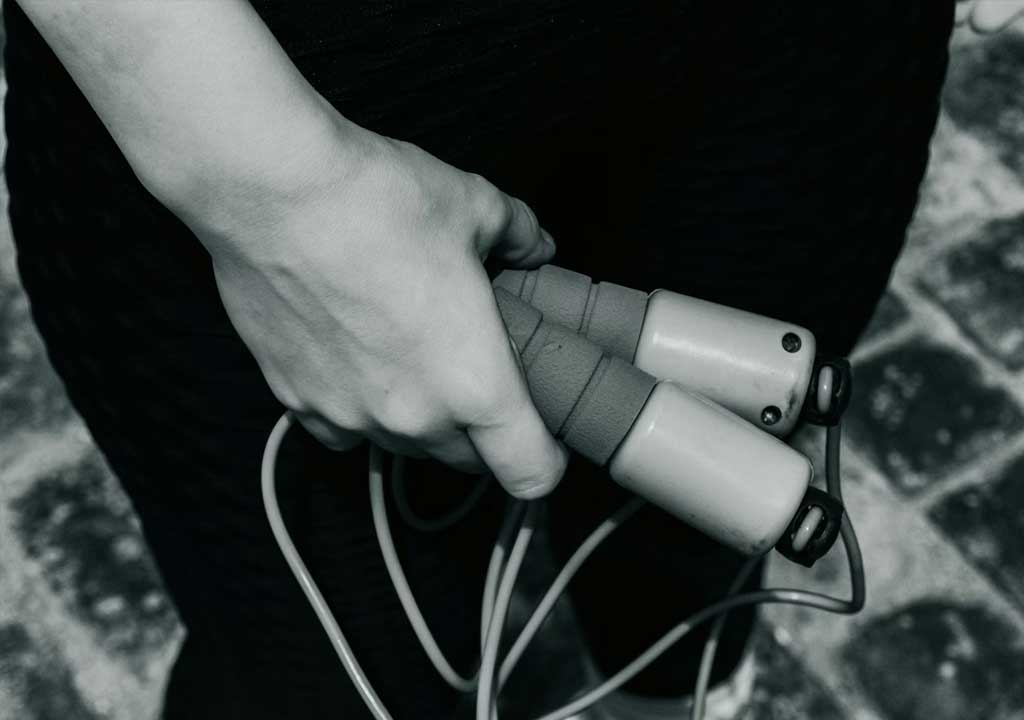


Jump Rope HIIT: High-Intensity Routines for Maximum Burn

Jump Rope HIIT: High-Intensity Routines for Maximum Burn
Jump rope workouts have long been a staple in athletic training, school playgrounds, and bootcamp-style studios. When you combine a jump rope with high?intensity interval training (HIIT), you get a deceptively simple tool that can torch calories, improve cardiovascular fitness, and build coordination in a fraction of the time of traditional cardio. This guide dives into how to design effective Jump Rope HIIT routines, the science behind why they work, and practical tips to keep you progressing safely toward your goals. Whether you're a beginner looking for a gateway into HIIT or a seasoned athlete seeking a new challenge, jump rope HIIT offers scalable, portable workouts you can do almost anywhere.
What is Jump Rope HIIT?
At its core, Jump Rope HIIT blends short bursts of high-effort rope skipping with brief recovery periods. A typical session might look like 30 seconds of fast, double-unders or high-knee skips followed by 15 seconds of rest, repeated for 10–15 minutes. The format is remarkably flexible: you can vary the intensity, the tempo, the rope technique, and the work?to?rest ratio to match your fitness level or specific goals. The benefits come from two forces working together:
1) Cardiovascular demand: Short, intense bouts push your heart rate up, improving VO2 max and endurance.
2) Metabolic afterburn: High-intensity efforts boost calorie burn during and after the workout due to excess post-exercise oxygen consumption (EPOC).
But Jump Rope HIIT isn’t just about going hard. It also teaches rhythm, footwork, and neuromuscular control, all of which can transfer to running, sports, and daily activities. It’s a low-cost, low-footprint modality that scales from a lightweight travel rope to a weighted rope for added resistance. The key is smart programming: start with fundamentals, progress gradually, and listen to your body to avoid overtraining or injury.
Why HIIT Works for Fat Burning
High-intensity interval training is especially effective for fat loss for several reasons:
- Time efficiency: Short workouts that deliver a strong stimulus can yield meaningful results in less time than steady-state cardio. For people with busy schedules, this can improve adherence and consistency, which are the real drivers of fat loss over weeks and months.
- Hormonal response: HIIT triggers favorable hormonal changes, including increased growth hormone and testosterone activity, which support lean tissue maintenance and fat breakdown.
- EPOC and beyond: The afterburn effect means your body continues to burn calories after a HIIT session as it returns to homeostasis, particularly after intense efforts.
- Muscle preservation: Jump rope HIIT engages many muscle groups, particularly in the legs, core, and shoulders, helping preserve lean mass while cutting calories. This contributes to a healthier body composition.
In addition, jump rope HIIT can be highly scalable: you can start with low-impact variants (single-heel or step?through forward shuffles) and gradually introduce more demanding techniques (double-unders, cross-overs, side swings) as your coordination and fitness improve.
Essential Gear and Safety
Before you lace up, here are a few basics to set you up for safe, sustainable progress:
A good starting point is to stand on the middle of the rope; the handles should reach roughly to your armpits. Slight adjustments may be needed based on your height and technique. A rope that is too long forces you to bend more at the waist, while a rope that is too short causes tripping and wrist strain. - Surface: Choose a surface that provides some give—gym mats, rubberized floors, or a wooden floor—rather than hard concrete. A mat under the feet can reduce shin splints and ankle discomfort during early weeks.
- Warm-up gear: Jump rope isn’t a warmup; it’s the main event. Begin with 3–5 minutes of dynamic movement: ankle circles, leg swings, hip mobility, and a few easy skips to prime the nervous system.
- Hydration and cadence: Stay well-hydrated. HIIT can be dehydrating, especially in warmer environments. If you’re new to this style, start conservatively and focus on form before speed.
If you have existing injuries—particularly to knees, ankles, or shoulders—consult a healthcare professional or a qualified trainer before starting HIIT. You may need to modify the rope weight, the footwork, or the duration of intervals to protect vulnerable joints.
Building a 4-Week Jump Rope HIIT Plan
A gradual progression is essential to long-term adherence and to minimize the risk of overuse injuries. Here is a practical four-week structure designed for beginners moving toward intermediate intensity. You can perform these workouts 3–4 days per week, with at least one rest day between sessions. Each week increases either the duration of work intervals, the number of rounds, or the complexity of the rope patterns.
Week 1 — Foundation and rhythm
- Warm-up: 5 minutes of light skipping + mobility drills
- Workout A (20 minutes total): 30 seconds work / 45 seconds rest, repeat 8–9 rounds. Use basic hops, step?throughs, and gentle heel taps to maintain a comfortable pace.
- Cooldown: 5 minutes of light walking and gentle stretching
Week 2 — Increase work time, introduce timing variety
- Warm-up: 5–7 minutes dynamic prep
- Workout B (22 minutes): 40 seconds work / 40 seconds rest, repeat 9 rounds. Add 1–2 non-impact patterns (marches or side-to-side steps) if needed to reduce impact during the higher duration.
- Cooldown: 5–7 minutes, focusing on breath and mobility
Week 3 — Add intensity and technique variety
- Warm-up: 6 minutes, including some light agility drills
- Workout C (24 minutes): 45 seconds work / 15 seconds rest, repeat 10 rounds. In this week, mix in a couple of technique variations like basic double taps, cross-overs, or alternating foot steps depending on comfort.
- Cooldown: 6 minutes, with mobility emphasis on ankles and hips
Week 4 — Peak effort and conservative peak
- Warm-up: 7 minutes, gradually increasing tempo
- Workout D (26 minutes): 50 seconds work / 20 seconds rest, repeat 9 rounds. Choose a dominant pattern (e.g., basic bounce) and add 1 high?effort variant for each 3 rounds if technique is sound and you are not compromising form.
- Cooldown: 8 minutes, with deep breathing and static stretches
Optional: If you feel exceptionally well?recovered, you can add a fifth day with a shorter, technique-focused session (15–20 minutes) that emphasizes form rather than speed.
Sample Routines You Can Start Today
Below are ready-to-run routines organized by level. Each routine lists work intervals, rest intervals, and the total number of rounds. Feel free to tailor the work-to-rest ratio to your current fitness and to your rope skills.
Beginner Routine A — Foundational Box
- Work: 30 seconds | Rest: 45 seconds | Rounds: 8–10
- Patterns: Basic bounce, alternate foot step (like a light jog with rope), side-to-side step
- Total time: roughly 12–15 minutes
Intermediate Routine B — Tempo and Pattern Mix
- Work: 40 seconds | Rest: 40 seconds | Rounds: 9–10
- Patterns: Basic bounce, high knees, single-leg hops (alternating), light cross?overs toward the end of a round
- Tip: Keep a tall posture and a soft knee landing to reduce impact
Advanced Routine C — Fast-Paced, High-Intensity
- Work: 50 seconds | Rest: 20 seconds | Rounds: 8–9
- Patterns: Double-unders (or fast singles if you’re building to doubles), cross?overs, in-and-out steps, speed rounds
- Note: If doubles cause form to slip, revert to 40–45 seconds of high-quality single-unders
Low-Impact Version — Great for Rehab or Recovery Days
- Work: 30–40 seconds | Rest: 60–75 seconds | Rounds: 6–8
- Patterns: Side taps, marching steps, rope-slides (rope barely touching the ground), easy skipping with light bounce
- Benefits: Maintains cardio stimulus while reducing joint loading
Technique and Form: Do It Right, Do It Smooth
Efficient technique is the backbone of Jump Rope HIIT success. Good form reduces the risk of injury and helps you maximize every rep. Here are core cues to keep in mind:
- Rope length and grip: Hold the handles lightly with a relaxed grip. Your wrists should do the majority of the work, not your shoulders. The rope should skim the floor about an inch or two in front of your toes on a basic bounce.
- Posture: Stand tall with a slight forward lean from the ankles, not the waist. Engage your core and glutes to stabilize the pelvis.
- Footwork: Land softly on the balls of your feet, with a slight knee bend. Avoid slamming your heels down; a quiet, controlled bounce reduces shin splints and knee strain.
- Arm motion: Keep elbows close to your body and rotate the rope with a smooth wrist flick. Large arm swings tend to waste energy and create fatigue in the shoulders.
- Breathing: Inhale through the nose and exhale through the mouth in a steady rhythm. Don’t hold your breath during the work intervals.
As you progress, you’ll notice that you can maintain a lower heart rate at a higher intensity thanks to improved technique. That efficiency translates into longer rounds, higher cadence, and less fatigue from poor form.
Common Mistakes and How to Fix Them
Jump rope HIIT is simple on paper, but it’s easy to go wrong in practice. Here are frequent pitfalls and practical fixes:
- Rope too long or too short: If you trip frequently, adjust length. A properly sized rope should allow you to skip with a minimal wrist rotation, not a full-arm swing.
- Over-ambitious progress: Jumping into high?duty double?unders before you’re technically ready often leads to injury. Progression is key; prioritize form over tempo.
- Inconsistent breathing: Holding your breath is common under fatigue. Practice nasal breathing during light sections and switch to controlled mouth breathing on faster intervals.
- Poor landing mechanics: Slamming down heels or locking knees causes joint stress. Train to land softly and distribute impact through the ankles, knees, and hips with a slight knee bend.
- Fatigue at the shoulders: If your shoulders feel fatigued, shorten the rope and keep elbows in; your forearms should do most of the work, not your upper arms.
If you notice sharp pain (not just typical muscle burn), stop and reassess technique or switch to a lower-intensity version until you’re confident in your form. A minor tweak today can prevent a bigger setback tomorrow.
Recovery, Mobility, and Injury Prevention
Recovery is where the gains really mature. Jump rope HIIT stresses may peak during the session, but the real adaptation happens during rest. Here’s how to optimize recovery:
Replenish with a balance of protein and carbohydrates within 1–2 hours after training to support muscle repair and glycogen restoration. - Hydration and electrolytes: Rehydrate to replace sweat losses, especially if you’re training in hot environments.
- Mobility work: Incorporate 5–10 minutes of targeted mobility for ankles, calves, hips, and thoracic spine on off days to maintain range of motion and reduce stiffness.
- Active recovery days: Light cardio (walking, cycling) or yoga can promote blood flow and help muscles recover without adding significant fatigue.
- Injury prevention: Strengthen the small stabilizers around the ankles and knees with single?leg balance work and proprioception drills. Strengthen the core to support a stable pelvis and lower back during rope turns.
Balance is essential: you want enough stress to drive adaptation but not so much that you break down tissue. Listening to your body, and giving yourself additional rest when needed, is a critical part of any HIIT program.
Progression and Long-Term Sustainability
One of the biggest advantages of Jump Rope HIIT is its scalability. As you become more proficient:
- Increase work interval duration: From 30–40 seconds to 45–60 seconds as your conditioning grows.
- Cut rest intervals: Move from 45 seconds to 15–20 seconds to raise the relative intensity.
- Introduce complex patterns: Doubles, cross-overs, box jumps through rope arms, or running in place patterns to challenge neuromuscular coordination.
- Add resistance: Switch to a slightly heavier rope or wear light weighted gloves to increase demand without compromising form.
- Extend session length: Move from 10–15 minutes to 20–25 minutes as your endurance improves, ensuring you’re still meeting quality standards throughout the workout.
Consistency is the primary driver of change. Even short, well-structured HIIT sessions, performed 3–4 times per week, can yield meaningful improvements in cardiovascular fitness, body composition, and athletic performance over a few months.
Tracking Progress and Staying Motivated
Progress tracking helps you stay accountable and notice small improvements that keep you motivated. Consider these methods:
Record rounds completed, interval duration, and technique notes (e.g., “smooth double-unders today,” or “felt fast but needed longer rests”). - Heart rate tracking: If you have a wearable, monitor resting heart rate and heart rate recovery over weeks to gauge improvements in conditioning.
- Time trials: Periodically time a continuous 5-minute jump rope block at a sustainable but challenging pace to gauge endurance progress.
- Technique milestones: Track mastery of new patterns (double-unders, cross-overs) as tangible milestones that can boost confidence and motivation.
Finally, use a flexible mindset: if you miss a week, don’t abandon the plan. Return with a scaled version of the workouts, adjust your goals, and rebuild pace gradually.
Frequently Asked Questions
Here are answers to common questions about Jump Rope HIIT:
- Is Jump Rope HIIT suitable for beginners? Yes. Start with basic skills, shorter intervals, and longer rests. Focus on form and gradually increase intensity as comfort builds.
- How many days a week should I train? 3–4 days per week is a solid target for most people, with at least one rest day between sessions. Listen to your body and adjust as needed.
- Can I do Jump Rope HIIT without a coach? Absolutely. Start with fundamentals, watch tutorial videos for technique, and consider a few sessions with a trainer if possible to fine-tune form.
- Is it safe for knees and ankles? When performed with proper warm-up and progressive overload, yes. If you have a history of joint injury or pain, choose low-impact patterns and focus on form, not speed.
- How soon will I see results? Some people notice improvements in energy and endurance within a few weeks; others may see fat loss and physique changes over 6–12 weeks, depending on sleep, nutrition, and overall activity.
Conclusion: Small Tool, Big Impact
Jump Rope HIIT is a powerful, accessible way to maximize calories burned in a brief window while also sharpening coordination, balance, and athletic durability. The simplicity of a rope, a few minutes of a workout, and a clear structure makes it easy to fit into busy schedules. With careful progression, smart technique, and consistent recovery, Jump Rope HIIT can become a cornerstone of your fitness routine—delivering meaningful body composition changes, improved cardiovascular health, and a new level of confidence in your athletic abilities.
If you’re ready to start, pick a routine today, make sure your rope is the right length, warm up thoroughly, and focus on form over speed during the early stages. Record your results, celebrate small wins, and gradually push the boundaries of what you can accomplish with each session. The maximum burn is within reach—one skip at a time.
LIKED THIS ARTICLE? SHARE IT: