



















Jump Rope Basics: Getting Started with Proper Form

Jump Rope Basics: Getting Started with Proper Form
Jump rope is one of the most accessible, portable, and effective tools for building cardio fitness, coordination, and athletic footwork. It’s inexpensive, doesn’t require a lot of space, and scales to suit beginners through advanced athletes. The key to making the most of your jump rope sessions is getting the fundamentals right from the start: choosing the right rope, finding a good stance, mastering a smooth wrist-driven rotation, and keeping landing soft and efficient. In this guide, you’ll find practical advice on equipment, setup, technique, drills, and a progressive plan to help you build confidence and consistency.
Why proper form matters
Proper form reduces impact on joints, minimizes the risk of injuries, and makes each jump feel comfortable rather than punishing. When your body moves as a cohesive unit—grip, wrist rotation, ankle alignment, knee softness, hip position—you generate a consistent rhythm that's easier to sustain for longer periods. Good form also makes it easier to progress to more advanced skills like faster rotations, double unders, or cross-overs without teaching your body bad habits that you’ll have to unlearn later.
Choosing the right rope and gear
The first step is selecting a rope that matches your goals and your current level of fitness. Rope length, weight, and handle design influence how easy or challenging it is to maintain a steady rhythm.
Rope types
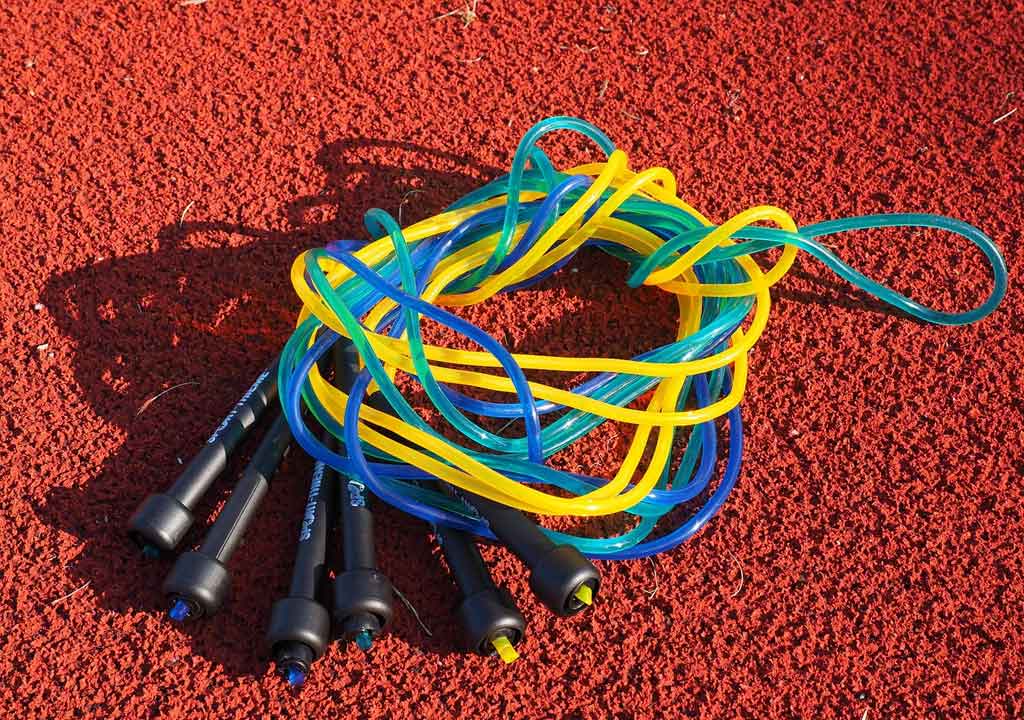
(slim PVC or lightweight cords): Lighter and faster, designed for quick rotations and advanced style. They demand more control and precision and are better for intermediate to advanced jumpers. ropes: Slightly heavier to build grip and forearm strength. Use these sparingly and only after you’re comfortable with the basics.
Rope length
Rope length is crucial for a smooth, efficient jump. A rope that’s too long or too short will force you to compensate with awkward arm movement or higher jumps. A common and simple way to estimate length is to stand barefoot on the rope with both feet centered and pull the handles upward. The handles should reach roughly to your armpits or just below the shoulder. If the rope drags on the ground or you’re constantly tripping, adjust the length by either shortening or lengthening in small increments. For beginners, starting a tad longer is usually safer; you can trim down once you develop more control.
Handles and grip
Choose comfortable, ergonomic handles with a grip that’s secure but not overly tight. A relaxed grip helps you rotate primarily with your wrists rather than your entire arm, which conserves energy and reduces fatigue. Avoid cranking the rope with your shoulders or pulling with your arms; the rotation should originate from the wrists and forearms with light elbow engagement.
Clothing and surface
Wear supportive athletic shoes with good cushioning and a flat sole. Avoid loose clothing that could catch the rope, and if you’re working on speed skills, consider a surface with a bit of give (like a rubber gym mat or wooden floor) rather than a very hard concrete surface. Clear the area of obstacles, jewelry, or anything that could snag the rope or cause injury.
Setting up space, warming up, and safety
Before you swing your first revolution, take a few minutes to prepare. A proper warm-up primes the ankles, calves, hips, and shoulders and reduces the risk of strains.
Space and environment
Aim for at least 9–10 feet of clear space in front of you and a similar amount behind you. Ensure overhead clearance so you don’t hit the ceiling or light fixtures. A smooth, non-slippery surface helps you land softly and control foot placement.
Dynamic warm-up (5–10 minutes)
- Calf raises and ankle circles
- Hip circles and leg swings
- Arm circles and shoulder rolls
- Light marching or jogging in place
- Dynamic hamstring/quad stretches
A quick warm-up helps raise body temperature and lubricates joints, which makes for a smoother jump rope session.
Injury prevention and safety tips
Keep your core engaged, spine neutral, and gaze forward. Don’t lock your knees on landing; let them absorb impact with a slight bend. If you experience sharp pain, numbness, or persistent discomfort, stop and reassess your form, rope length, and surface. For beginners, start with short, frequent sessions and gradually increase duration as tolerance builds.
The basics: stance, grip, and rhythm
Getting the fundamentals right creates a stable platform for all subsequent skills. Focus on a compact, quiet jump with a relaxed upper body and minimal arm movement.
Stance
Stand tall with your feet about hip-width apart. Your weight should be balanced on the balls of your feet, with a light, natural knee bend. Imagine you’re about to hop on a soft cloud rather than pushing off the ground with force. Maintain a tall posture—shoulders relaxed, chest open, and core engaged. Your hips should be level and not dipping forward or backward.
Grip and wrist motion
Hold the handles lightly, with your wrists doing the primary work. The motion should be a continuous circular rotation of the rope around your body, driven by small wrist curls and forearm rotation, not by big arm swings. Think of your wrists as a clock hand steadily turning the rope, with the elbows close to your sides.
Rhythm and cadence
A steady rhythm is more important than speed at the outset. Begin with a very modest cadence and a tiny jump. The goal is to land softly and roll into a consistent tempo that you can maintain for 30–60 seconds or longer. Keep your gaze slightly forward, not directly down at the rope, which helps with balance and breathing.
The basic jump technique: step-by-step
Mastering the basic jump is the foundation for almost every other rope skill. Here’s a simple, repeatable sequence to build a solid baseline.
Step 1: Set up
Uncoil the rope behind you, hold the handles at your sides, and position your hands so that the rope rests just behind your heels. This helps you feel the rope’s path as you begin.
Step 2: Small, controlled hops
Take a small hop only high enough to clear the rope as it passes under your feet. Land softly on the balls of your feet with a slight knee bend. Your jumps should be quick and light, not fatiguing. The goal is efficiency: minimal effort with maximal repetition.
Step 3: Wrist-driven rotation
Start rotating the rope with your wrists, keeping your elbows tucked in at your sides. The rope should arc forward and away from your body in a smooth, continuous rhythm. If the rope is catching or you’re tripping, your rope length or jump height may be off, or your wrist action may be too large.
Step 4: Breathing and cadence
Breath in through the nose, out through the mouth, in sync with your rhythm. A relaxed breath helps you stay steady and avoid gripping the handles too tightly. Count a beat or two per rotation if it helps you maintain consistency (for example, “one, two” for a two-bounce rhythm).
Step 5: Progression cues
When you find a comfortable pace, you can test slightly longer strings of consecutive rotations. If you trip, pause, reset, and return to a shorter, easier rhythm. The objective is repeatable, controlled jumps with minimal fatigue.
Common mistakes and how to fix them
Even small adjustments can make a big difference. Here are frequent issues beginners face and practical fixes.
- Jumping too high: Aim for a light, two-foot bounce just high enough to clear the rope. High jumps waste energy and can lead to stiffness and fatigue. Fix: shorten your rope and reduce jump height; focus on speed of the rope, not height of the jump.
- Arm and shoulder overuse: If you feel tension in your neck or shoulders, you’re probably using your arms too much. Fix: keep elbows in, wrists doing the work, and shoulders relaxed.
- Looking down at the rope: This disrupts balance and breathing. Fix: look forward with a neutral gaze, about 6–8 feet ahead.
- Inconsistent foot placement: Land with a soft knee bend and moderate hip-kel motion. Fix: practice a two-foot drill first, slowly increasing cadence while maintaining form.
- Rope dragging or catching: The rope length might be off or your wrists aren’t turning smoothly. Fix: adjust rope length, ensure the rope is rotating from the wrists, and practice slow, deliberate rotations before speeding up.
- Posture collapse: Leaning forward or arching the back reduces stability. Fix: engage your core, keep a neutral spine, and keep your chest open.
Progression drills: from basics to more advanced skills
As you gain comfort with the basics, you can introduce gentle progression to improve coordination and stamina. The key is deliberate practice, not rushing to hop into high-level moves before you’re ready.
Week-by-week progression (example)
Focus on a clean basic jump for 5–7 minutes per session, three days a week. Practice rope control, wrist motion, and soft landings. Try to achieve 60–100 consecutive jumps without tripping in one set (or accumulate similar time). - Weeks 3–4: Increase session time to 10–15 minutes. Introduce the boxer step and alternating-foot jumps at a comfortable pace. Keep the jump height low and cadence steady.
- Weeks 5–6: Add 1–2 sets of short drills, such as single-under (one rotation per jump) and 2-3 minute intervals of speed rope with slow tempo. Begin gentle attempts at double-unders if comfortable and staying injury-free.
- Weeks 7–8 and beyond: You can experiment with more challenging moves like high knees, cross-overs, or basic double-unders depending on your progress. Always prioritize form and control over speed.
Drills to incorporate gradually
- Boxer step: Shift weight from one foot to the other with small side-to-side steps while the rope passes under both feet. This reduces impact while building rhythm.
- Alternating-foot jump: Jump between feet in a light, controlled manner. This improves coordination and helps with longer sessions.
- Single-under drill: Jump once per rope rotation, focusing on the precise timing of the wrist rotation and landing.
- Slow pace double-under progression: If you’re ready for doubles, practice turning the rope a bit faster with smaller jumps, gradually increasing height and speed while maintaining form.
How to tailor your routine for goals
Your jump rope routine should reflect your goals—whether you’re aiming for general fitness, sport-specific conditioning, or skill development. Here are some example templates you can adapt.
General conditioning (3–4 days/week)
- Warm-up: 5–8 minutes of dynamic movement (arm circles, leg swings, light jog)
- Skill block: 5–8 minutes of basic jump, boxer step, and alternating-foot drills
- Cardio block: 5–10 minutes of steady paced jumping (consistent cadence, light effort)
- Cool-down: 3–5 minutes of light stretching and deep breathing
Sport-specific or skill focus (2–3 days/week)
- Warm-up: 5–7 minutes with dynamic mobility
- Skill block: 8–12 minutes practicing precise rope control, wrist speed, and small jumps
- Intervals: 6–8 rounds of 20–40 seconds high-intensity jump with 20–40 seconds rest
- Cool-down: 5 minutes of mobility work and breath work
Building a safe and sustainable practice routine
Consistency beats intensity when you’re starting out. A sensible, sustainable plan helps you stay motivated and reduces injury risk.
Tips for consistency
- Schedule short sessions (15–20 minutes) most days of the week rather than one long, exhausting session.
- Keep a log of your workouts—note how long you jumped, your cadence, and any pain or discomfort.
- Gradually increase duration by 1–2 minutes or add one new drill every few sessions.
- Vary your workouts to keep things interesting: mix skill work with plain cardio days and include rest days as needed.
Recovery and listening to your body
Jump rope is high-impact, and your body will tell you when you need more rest. If you experience persistent joint pain, especially in the ankles, knees, hips, or shins, reassess your technique, rope length, and surface. Consider reducing frequency or duration until your body adapts.
Maintenance, care, and equipment longevity
To keep your rope in good working order and your workouts consistent, take a few simple care steps.
- Inspect the rope and handles regularly for wear, fraying, or loose fittings. Replace if needed.
- Keep the rope dry and clean; wipe down after workouts to remove sweat and oils that can degrade handles over time.
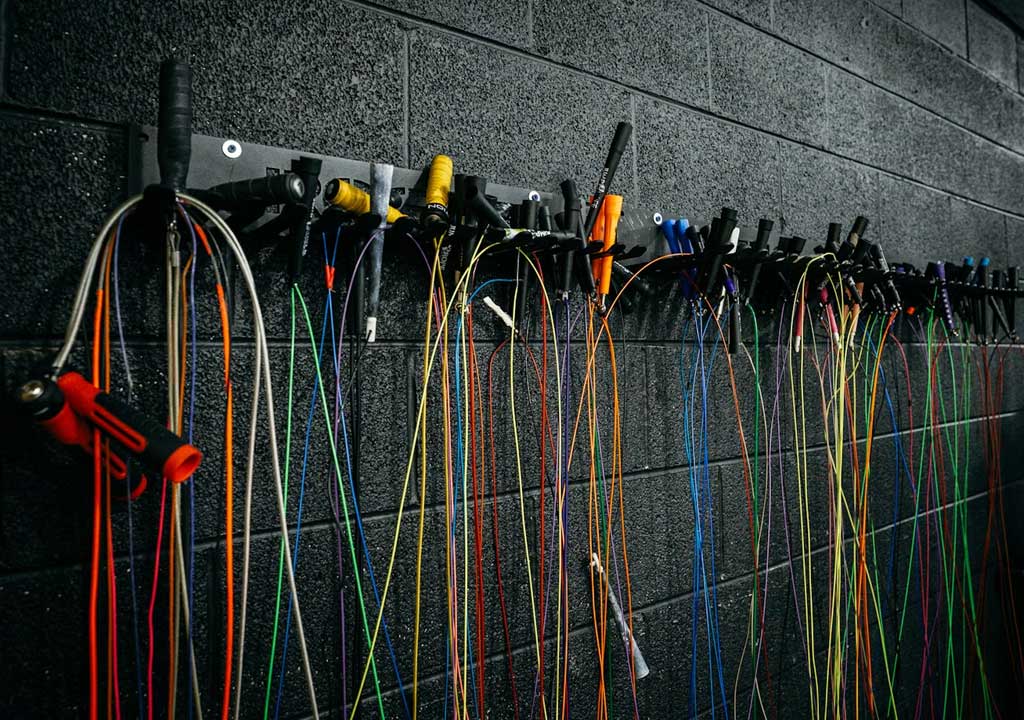
- Store the rope coiled or hung to avoid kinking or tangling. Avoid extreme heat or direct sunlight for long periods, which can degrade materials.
- Rotate between ropes if you own more than one, selecting an appropriate rope for your current skill level and training objective.
Techniques to advance beyond the basics (optional)
Once you’re comfortable with the fundamentals, you can safely explore higher-skill moves. Introduce these gradually and only when you can perform the basic jump reliably with good form.
- High knees: Raise your knees higher while continuing a controlled rope rotation; keep jumps small and controlled.
- Boxer to pivot: A variation of the boxer step with slight sideways pivots to improve lateral footwork and rhythm.
- Cross-overs (advanced): Cross one arm in front of the other to pass the rope, ensuring you maintain control and a low jump height.
- Double-unders (advanced): The rope passes under your feet twice per jump. Start with technique-focused drills and gradually increase jump height and speed while maintaining form.
Note: Advanced moves require good form and strength; don’t rush into them. Prioritize technique, and progress only when you can perform basic jumps consistently and without discomfort.
Sample beginner workout plan (two weeks to build solid form)
Here’s a practical, beginner-friendly plan you can follow to build a strong foundation in about two weeks. Adjust the pace to your own fitness level and any schedule constraints.
- Day 1: 8–10 minutes total—basic two-foot jump, light jog in place, boxer step. Focus on soft landings and wrist-driven rotations.
- Day 2: Rest or light mobility work.
- Day 3: 8–12 minutes total—same as Day 1, plus alternating-foot jump for variety.
- Day 4: Rest or gentle mobility work.
- Day 5: 12–15 minutes total—combine all basics, add 1–2 short intervals of 20–30 seconds at a slightly faster cadence with longer rests.
- Day 6–7: Rest and recovery.
- Day 1: 12–15 minutes—focus on consistent cadence, short sets of 30–45 seconds with equal rest.
- Day 2: Rest or mobility work.
- Day 3: 15–18 minutes—include one drill block of 4–5 minutes (boxer step or alternating-foot), then a 4-minute basic jump block.
- Day 4: Rest.
- Day 5: 18–20 minutes—steady pace with 6–8 intervals of 20–40 seconds at higher cadence, maintaining form.
- Day 6–7: Rest and reflect on progress; adjust rope length if you’ve grown taller or shorter in the meantime.
Frequently asked questions
Q: How long does it take to see results with jump rope?
A: You can see improvements in cardiovascular fitness and coordination within a few weeks with consistent practice. Strength gains, ankle stability, and balance generally improve gradually over several weeks to months, especially if you pair rope work with other forms of conditioning.
Q: Is jump rope safe for everyone?
A: In most cases, yes. If you have existing joint issues or injuries, consult a medical professional before starting. Start with a lower impact, shorter duration and focus on technique. If you’re overweight, begin with shorter sessions and softer landings to reduce joint stress.
Q: How do I avoid rope burn?
A: Make sure your rope is properly adjusted, your grip is light, and your wrists are doing the work. If you feel friction or rope burn, stop, inspect the rope, and adjust your technique. A well-fitted pair of shoes and appropriate surface also reduce risk.
Q: Can I jump rope indoors?
A: Yes, if you have enough space, a suitable surface, and proper ventilation. On carpet or gym mats, you may experience a different bounce than on a hard floor, so adjust your cadence and rope length as needed. Always ensure ceiling height is sufficient for your wrist rotations.
Closing thoughts: your path to better form and better fitness
Jump rope is a dynamic, scalable practice that rewards consistency and mindful technique. With the right rope, a solid stance, and a wrist-driven rhythm, you can build a strong foundation that supports more advanced skills and longer, more enjoyable workouts. The beauty of rope training lies in its simplicity: small, repeatable improvements compound over time, leading to meaningful gains in endurance, coordination, balance, and athletic confidence.
As you begin or refine your jump rope practice, remember these core ideas: start with the basics, prioritize form over speed, progress gradually, listen to your body, and stay curious. With patience and a little daily practice, you’ll be jumping confidently, smoothly, and efficiently, ready to tackle more challenging drills and workouts in a sustainable way.
Optional quick-start checklist
- Choose a rope length that reaches your armpits when you stand on the rope.
- Use a lightweight, comfortable grip and maintain a relaxed upper body.
- Keep jumps small and land softly on the balls of your feet.
- Rotate the rope primarily with your wrists, not your arms.
- Maintain a neutral spine and forward gaze.
- Begin with 5–10 minutes of total jump time, gradually increasing as your fitness improves.
- Incorporate drills like boxer step and alternating-foot jumps to build rhythm and coordination.
- Include proper warm-up and cool-down; stay hydrated and listen to your body.
Final note
Whether you’re aiming to boost cardio, build foot speed for a sport, or simply enjoy a portable workout, jump rope offers a potent combination of efficiency and fun. By prioritizing proper form, selecting the right rope, and following a thoughtful progression, you’ll set a strong foundation that pays dividends as your skills and conditioning grow. Happy jumping!
LIKED THIS ARTICLE? SHARE IT: